Challenge

Acute myeloid leukaemia (AML) is an aggressive blood cancer that can be difficult to treat. Leukaemia cells can change over time and become resistant to treatment, allowing the cancer to return. Many current treatments target specific features on the surface of cancer cells, but the cancer can sometimes change these features and escape treatment.
Focus
Dr Samuel Grigg’s research focusses on developing a new type of “smart” treatment that can recognise leukaemia cells from inside the cell. It uses a small piece of RNA that looks for a specific genetic message found in leukaemia cells. Like a lock and key, the RNA sensor is designed to switch on only when it finds the right cancer-specific message, triggering the leukaemia cell to destroy itself while leaving healthy cells unharmed.
Impact
The research will develop and test these RNA sensors in laboratory-grown leukaemia cells and then in samples from people with AML. If the leukaemia changes over time, the sensor could potentially be reprogrammed to recognise its new genetic message. If successful, this research could lead to a more precise and adaptable way of treating AML, helping overcome treatment resistance, reduce relapse and improve outcomes for people with this difficult-to-treat cancer.
Researcher
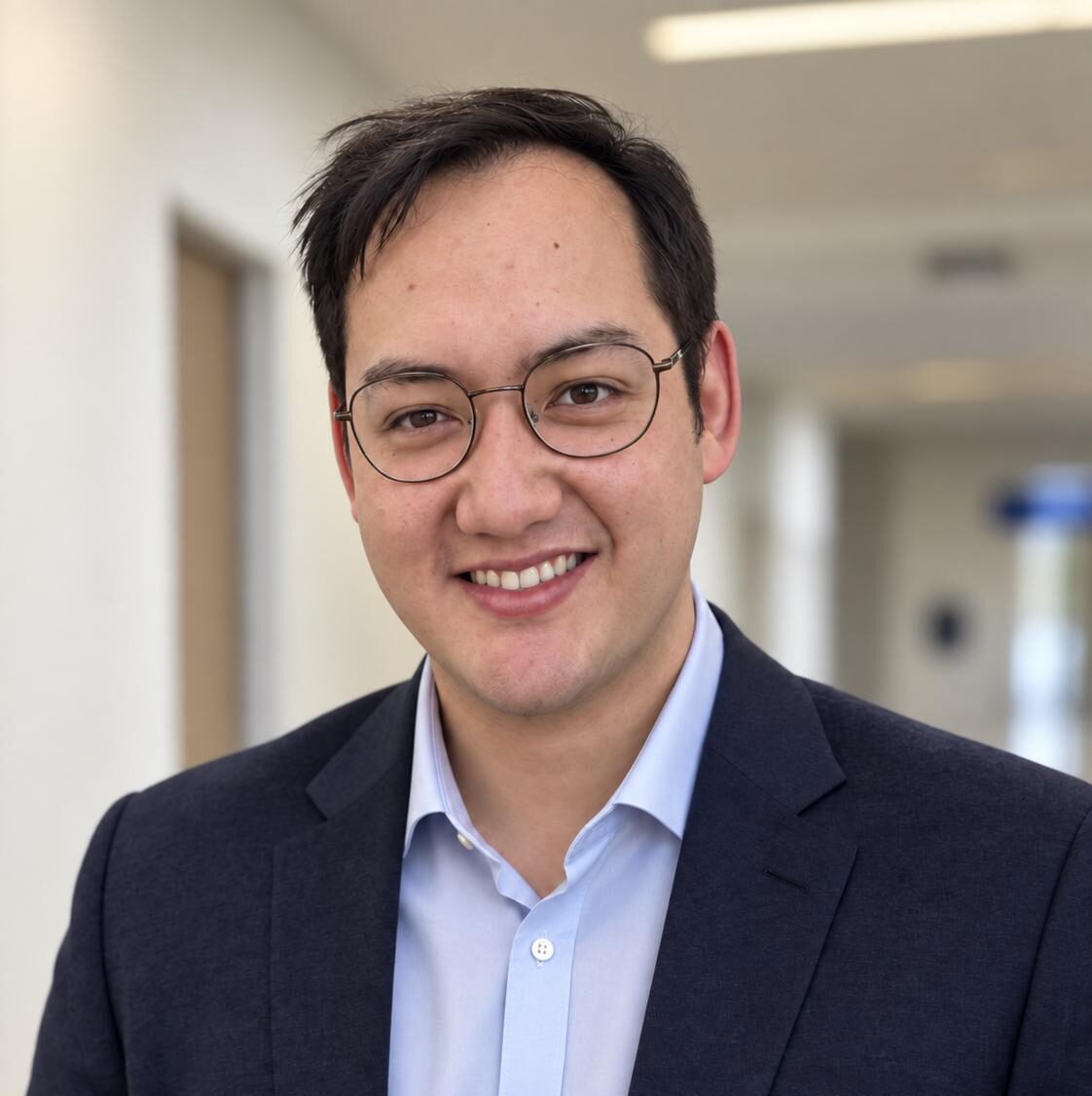
Sam is a final year Joint RCPA/RACP Haematology trainee at the Peter MacCallum Cancer Centre and Royal Melbourne Hospital. He is strongly motivated by the unmet need in myeloid malignancies, in particular acute myeloid leukaemia, and has developed an interest in translational research to advance new treatments.