Challenge
People living with blood cancer experience substantial physical and emotional challenges as a result of their cancer and its treatments. Fatigue, physical deconditioning, and poor quality of life are common and persist into survivorship. National data highlight that people living with blood cancer have high unmet supportive care needs and prolonged workforce disruption. Exercise is a safe, evidence-based intervention that improves fatigue, physical function, quality of life, and treatment tolerance. Despite evidence-based guidelines recommending exercise under the supervision of an accredited exercise physiologist, the majority (80-90%) of people living with cancer do not meet these guidelines.
Focus
This project aims to improve equitable access to evidence-based exercise support for people living with blood cancer. Dr Farley and her team will develop and implement:
- An evidence-based tailored implementation strategy of nurse-enabled screening and community referral pathway
- A blood cancer-specific, tele-mentored community accredited exercise physiologist workforce development program
Together, these strategies will address barriers to exercise participation by improving referral pathways and building the capacity of the exercise workforce to support people living with blood cancer.
Impact
By embedding referral processes and strengthening workforce capability, this project aims to increase access to safe, evidence-based exercise programs for people with blood cancer. The findings will generate evidence to support the long-term expansion and national integration of exercise into blood cancer care pathways, ultimately improving outcomes for people living with blood cancer across Australia.
Researcher
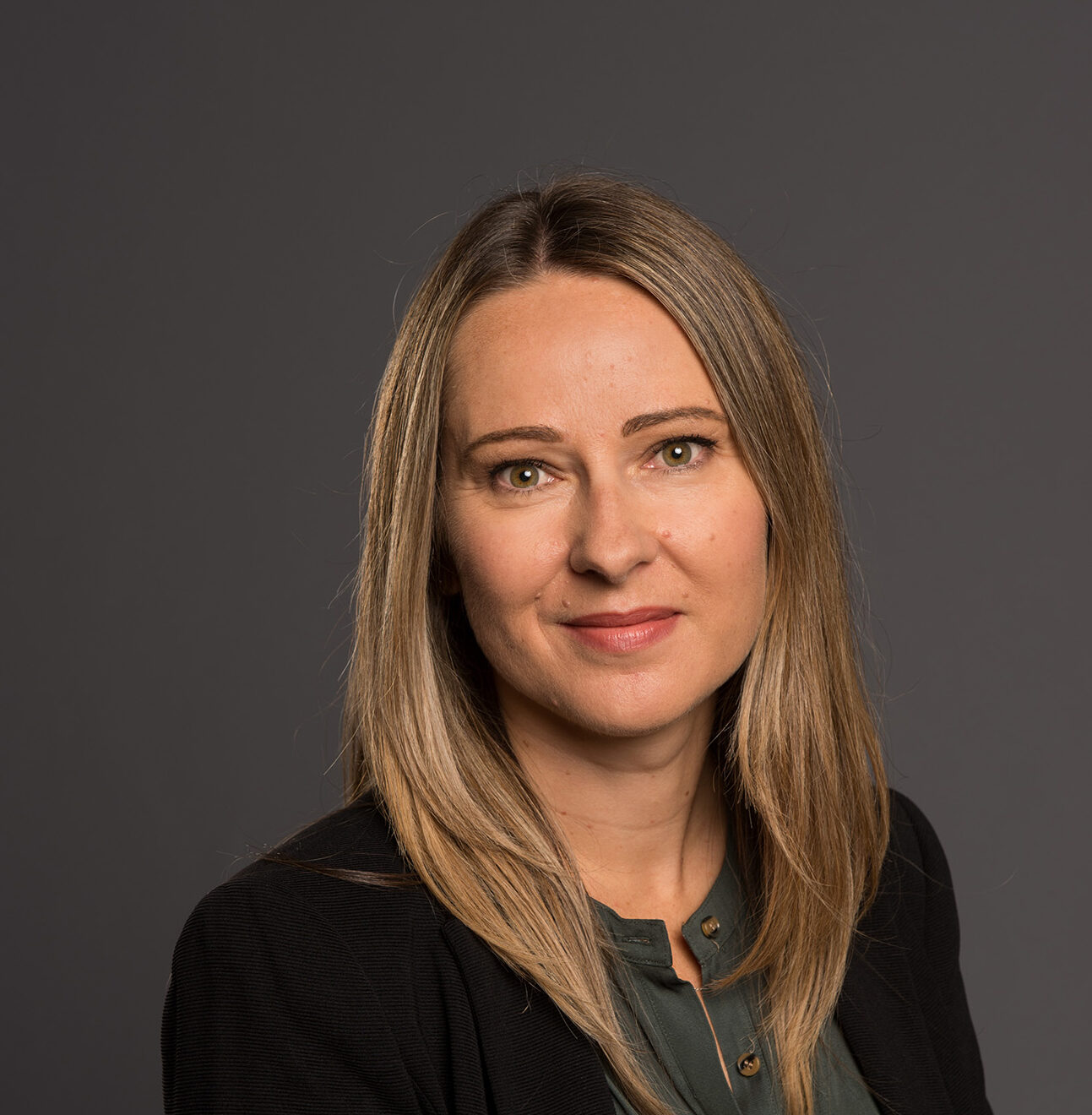
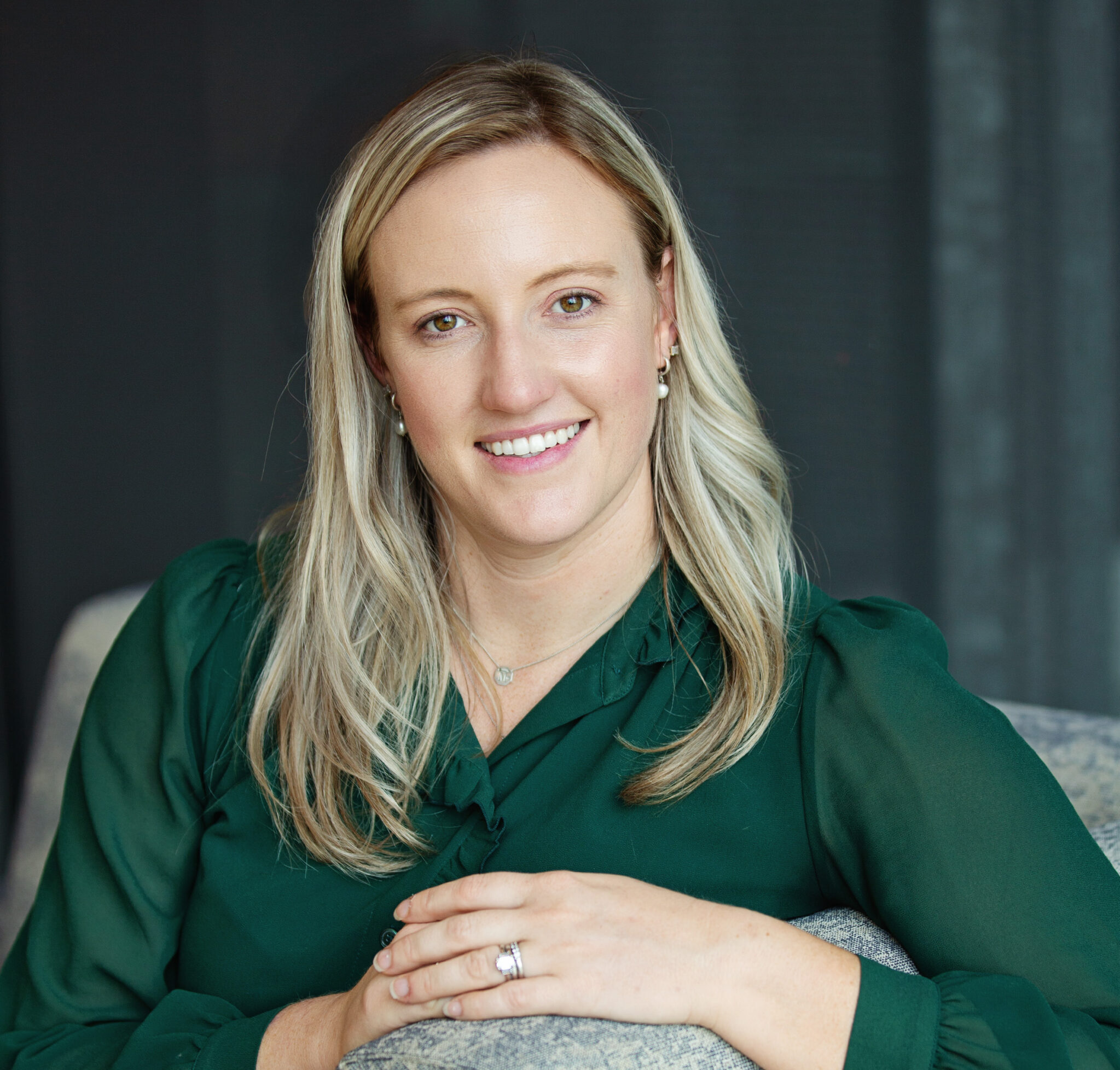
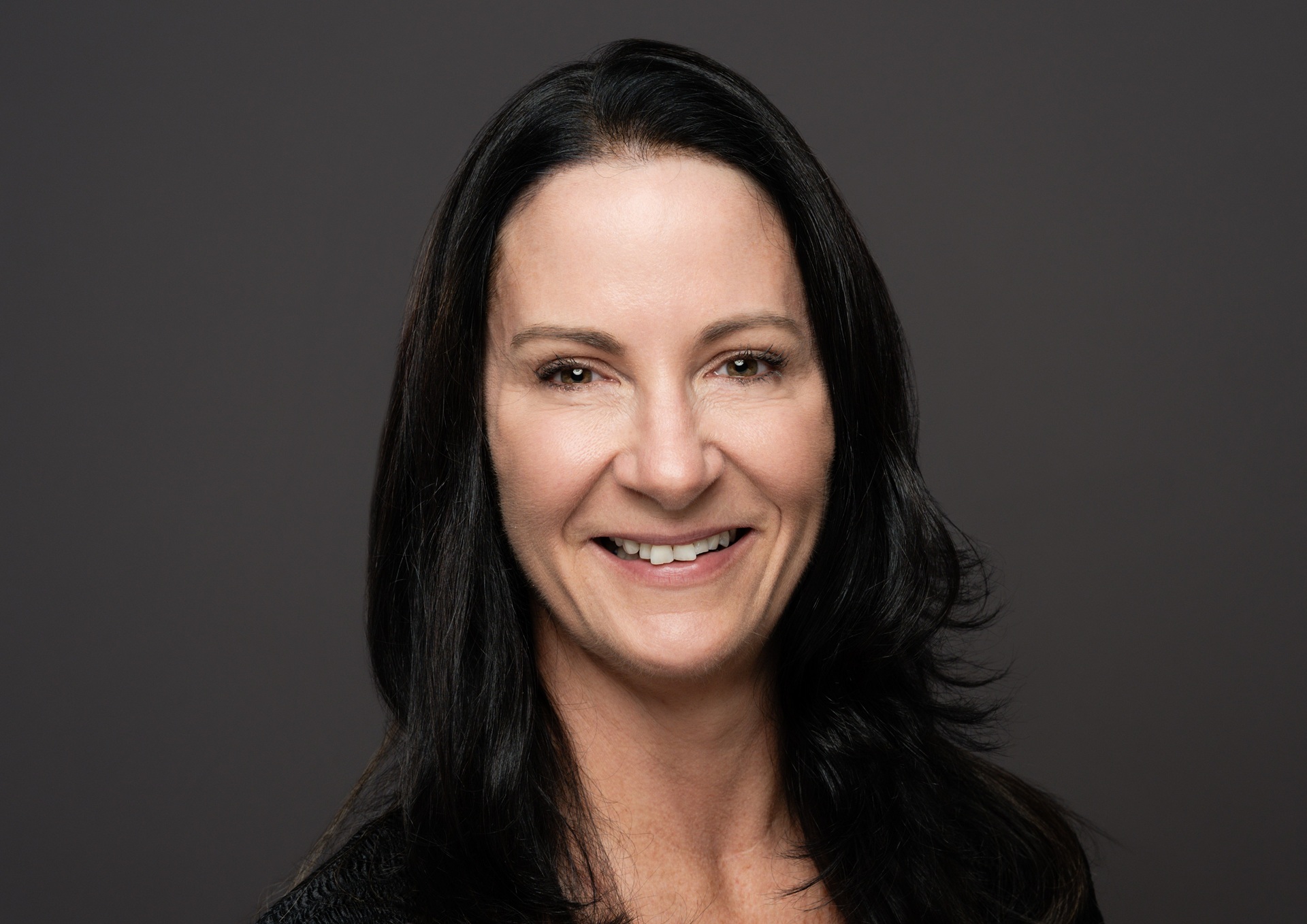
Dr Morgan Farley leads the Health System Delivery Stream within the Supportive Care and Cancer Research Group at the Royal Brisbane and Women’s Hospital and is a Research Fellow for the Survivorship Theme at the Cancer and Palliative Care Outcomes Centre, Queensland University of Technology. She is also founder and Principal Clinician of Valere Health, Brisbane’s only specialist cancer-specific exercise, and supportive care clinic.
Dr Farley’s program of research aims to improve treatment outcomes and quality of life for people with blood cancer through accessible supportive care interventions, spanning novel approaches to improve immune function, physical function, quality of life, and treatment responses. Her experience spans randomised clinical trials, co-design, and implementation research to translate evidence into accessible care. She founded Valere Health in 2018 after seeing the impact exercise had on her grandmother Valerie’s outcomes during lymphoma treatment and has since dedicated her career to ensuring others have access to care that improves their quality of life and treatment outcomes.