Challenge

Survival for children and adolescents diagnosed with blood cancers has improved dramatically. While this is a major success, it has created a critical challenge: supporting young survivors as they transition from paediatric to adult healthcare services. Blood cancer treatment is often intensive and prolonged, including chemotherapy, stem cell transplantation, and novel therapies. Survivors face high risks of long-term health complications, ongoing surveillance needs, and psychosocial vulnerability. Despite this complexity, there is no consistent, evidence-based national pathway to guide transition for blood cancer survivors. Disengagement from care, fragmented services, and loss to follow-up are common, and adult services are often unfamiliar with the long-term consequences of paediatric treatment. Families also frequently report feeling unsupported during the transition process.
Focus
This project will co-adapt an existing evidence-informed digital support intervention called ‘Transition Compass’ for survivors of childhood blood cancers. Delivered remotely, the model uses structured SMS prompts, brief psycho-educational videos, and personalised support to assist young people as they move from paediatric to adult healthcare.
Using an implementation science approach, Dr Jordana McLoone and her team will:
- Identify barriers and facilitators of transition to adult services within blood cancer survivorship pathways.
- Co-adapt an existing evidence-based intervention with survivors, families, and clinicians to develop a blood cancer-specific intervention.
- Design evidence-informed implementation strategies to support the intervention’s sustainable adoption within healthcare systems nationally.
Impact
Successful transition to adult healthcare services is critical to maintaining lifelong health and wellbeing after survival of childhood blood cancer. By improving continuity of care, supporting long-term follow-up and preparing health services to adopt this intervention at scale, this project aims to ensure more young survivors receive the care and support they need.
Researcher
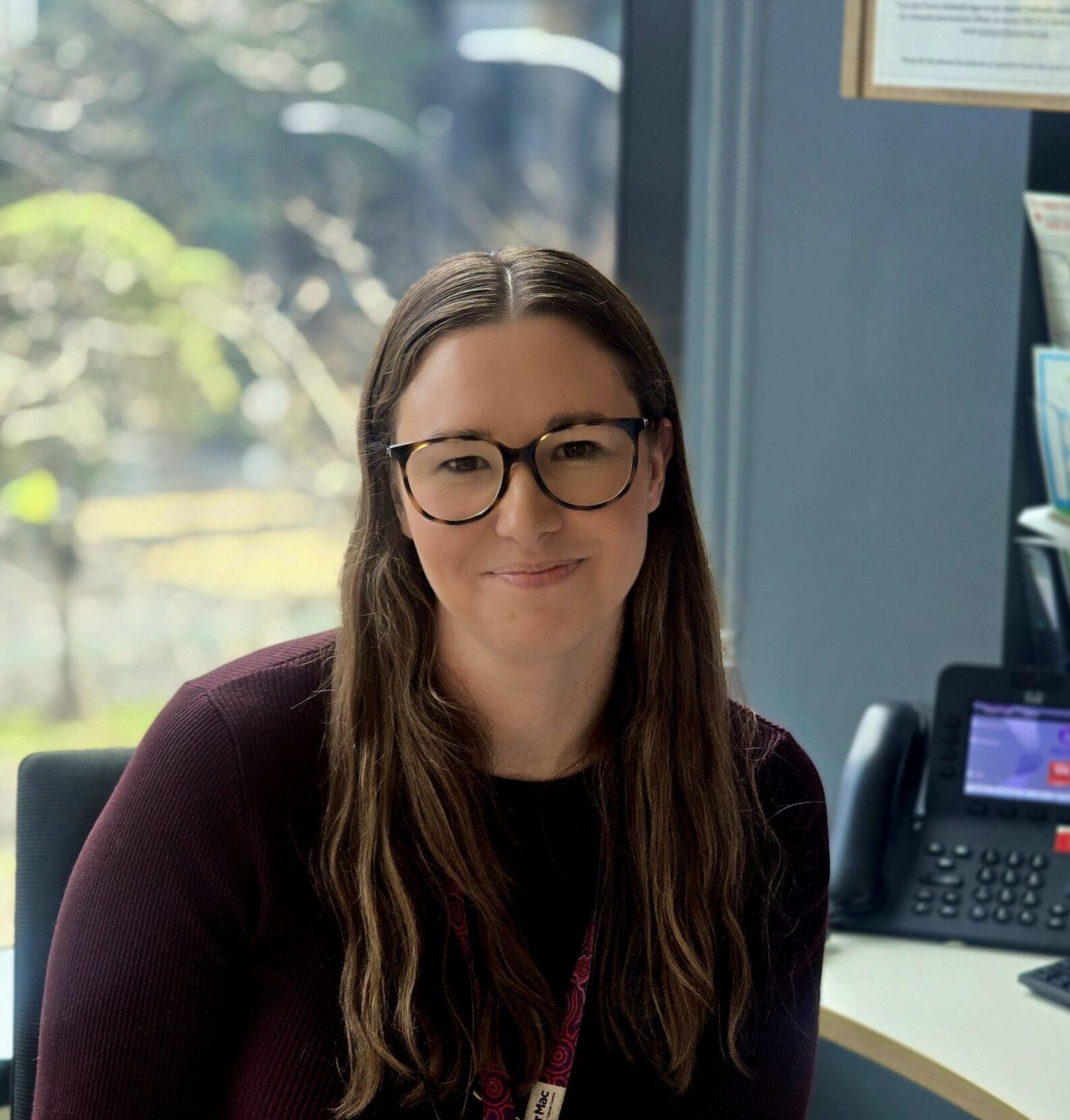
Dr Jordana McLoone is a Senior Research Fellow and Lecturer with the Discipline of Paediatrics, School of Women’s & Children’s Health, UNSW Medicine. She is also a Post-Doctoral researcher at the Kid’s Cancer Centre, Sydney Children’s Hospital, and Deputy Director of the Behavioural Sciences Unit.
As Deputy Director, Dr McLoone leads the survivorship research stream at the Behavioural Sciences Unit that focuses on creating health services, models of care, and interventions that educate and empower young people with serious illnesses to better understand and manage their long-term health outcomes. Her key interest lies in long-term follow-up care for childhood cancer survivors and their families, as well as the psycho-social impacts related to childhood cancer. Dr McLoone is committed to contributing to the field of psych-oncology by way of innovative research studies addressing national cancer priorities.