Challenge
Bispecific antibodies are a newer type of treatment for people with diffuse large B-cell lymphoma whose cancer has returned or has not responded to earlier treatment. While these medicines can be very effective, they can also cause serious side effects, particularly when treatment first begins. This means patients often need frequent hospital visits and close monitoring, which can be difficult for patients and place pressure on health services.
Focus
Ms Whitechurch’s project will develop and test a nurse-led model of care designed to make treatment safer and easier for patients. It will include support from specialist nurses, monitoring patients when they are at home, home-based treatment for suitable patients, and simple digital questionnaires that allow patients to report symptoms early.
A small pilot study will test whether the approach is safe and practical. The research will then look at patients’ experiences, side effects, hospital visits and admissions, use of health services, and whether the new model can be introduced into everyday care.
Impact
The project could reduce unnecessary trips to hospital, make treatment more accessible and help identify side effects earlier, while giving patients greater support and confidence during treatment. It could also provide a model for delivering these new lymphoma treatments more safely and conveniently across Australia.
Researcher
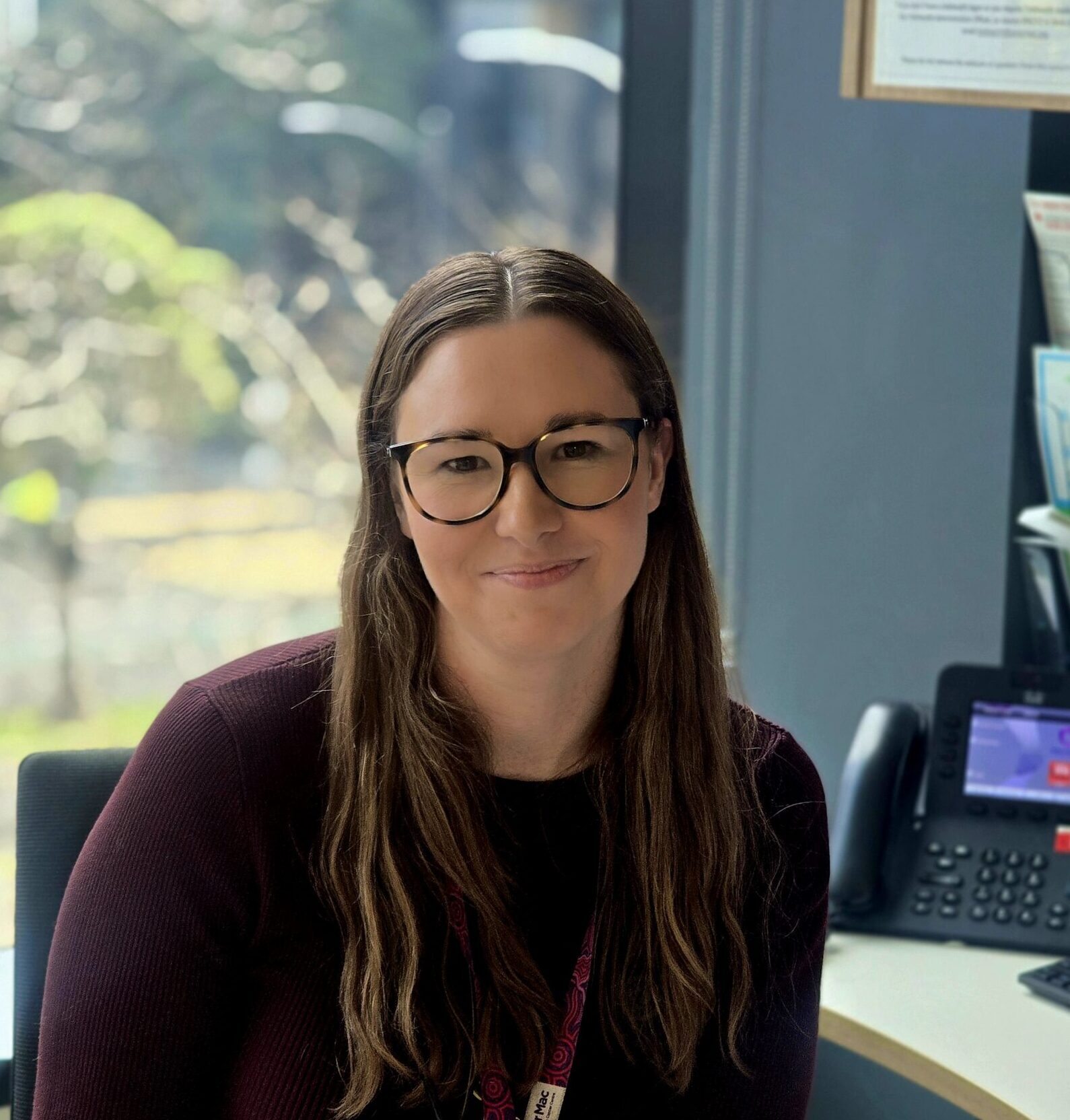
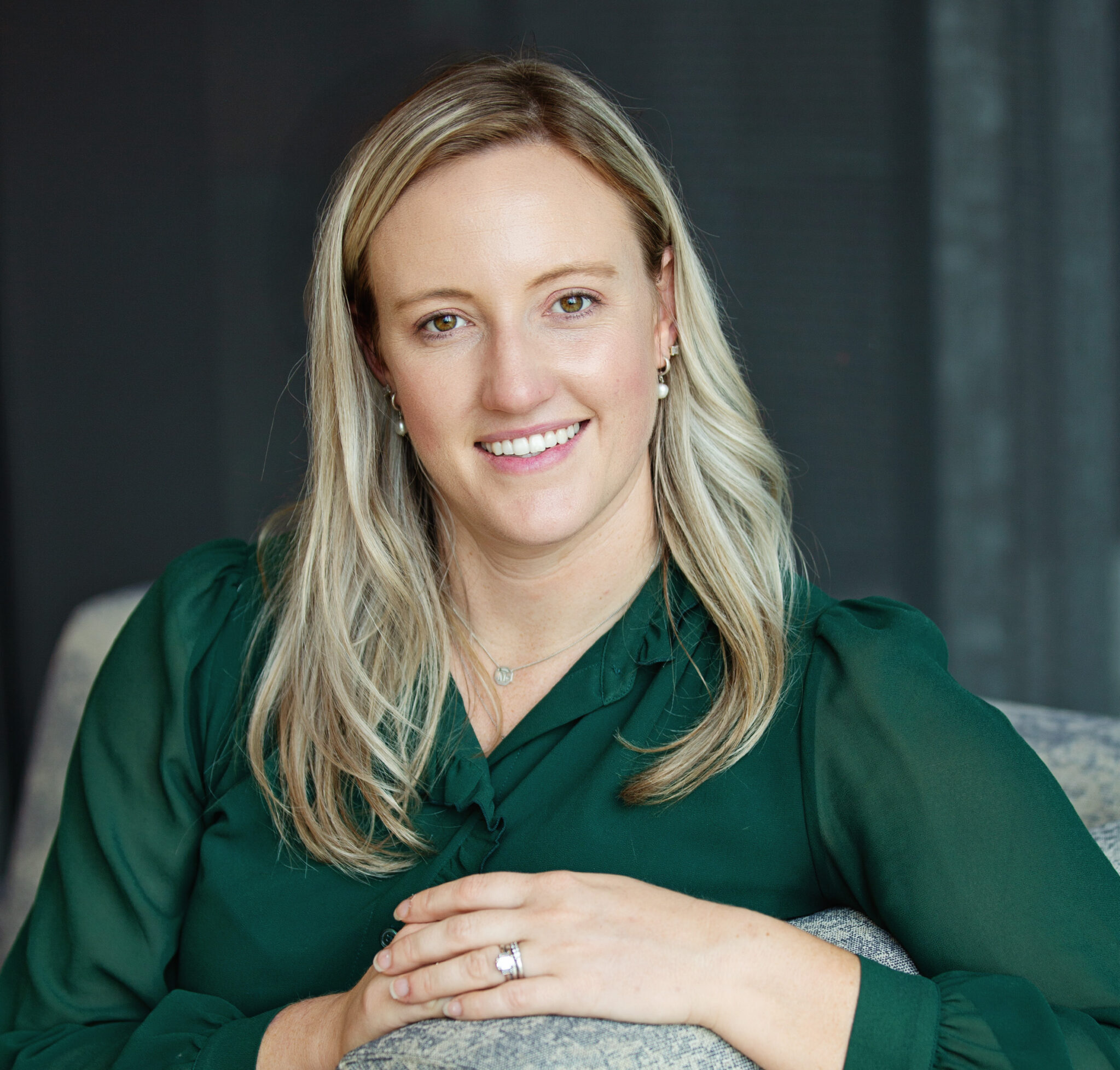
Ashley Whitechurch is a Nurse Practitioner specialising in lymphoma and chronic leukaemia at the Peter MacCallum Cancer Centre. She has extensive experience caring for people receiving complex and novel blood cancer treatments, with interests in patient education, treatment-related toxicity and nurse-led models of care.