Challenge
Non-Hodgkin lymphoma (NHL) is a type of lymphoma, a cancer that begins in the lymphatic system. Diffuse Large B-Cell lymphoma (DLBCL) is an aggressive subtype of NHL. Around 50% of DLBCL patients with adverse prognostic features have a poor response to standard chemoimmunotherapy.
Focus
T-Cell Engagers (TCEs) are an effective class of anti-cancer drugs for treating lymphoma. TCEs build a bridge between the immune system’s T cells and cancer cells. When this bridge forms, T cells recognise and kill cancer cells. T cells can be divided into CD8+ and CD4+ T cells.
CD8+ act to kill cancer cells, whereas CD4+ T cells support CD8+ T cells as well as influencing immune response to cancer.
However, it is unclear how these CD4+ T cells contribute to killing DLBCL tumour cells after TCE treatment and if, in some circumstances, they have harmful effects leading to disease progression or relapse.
Impact
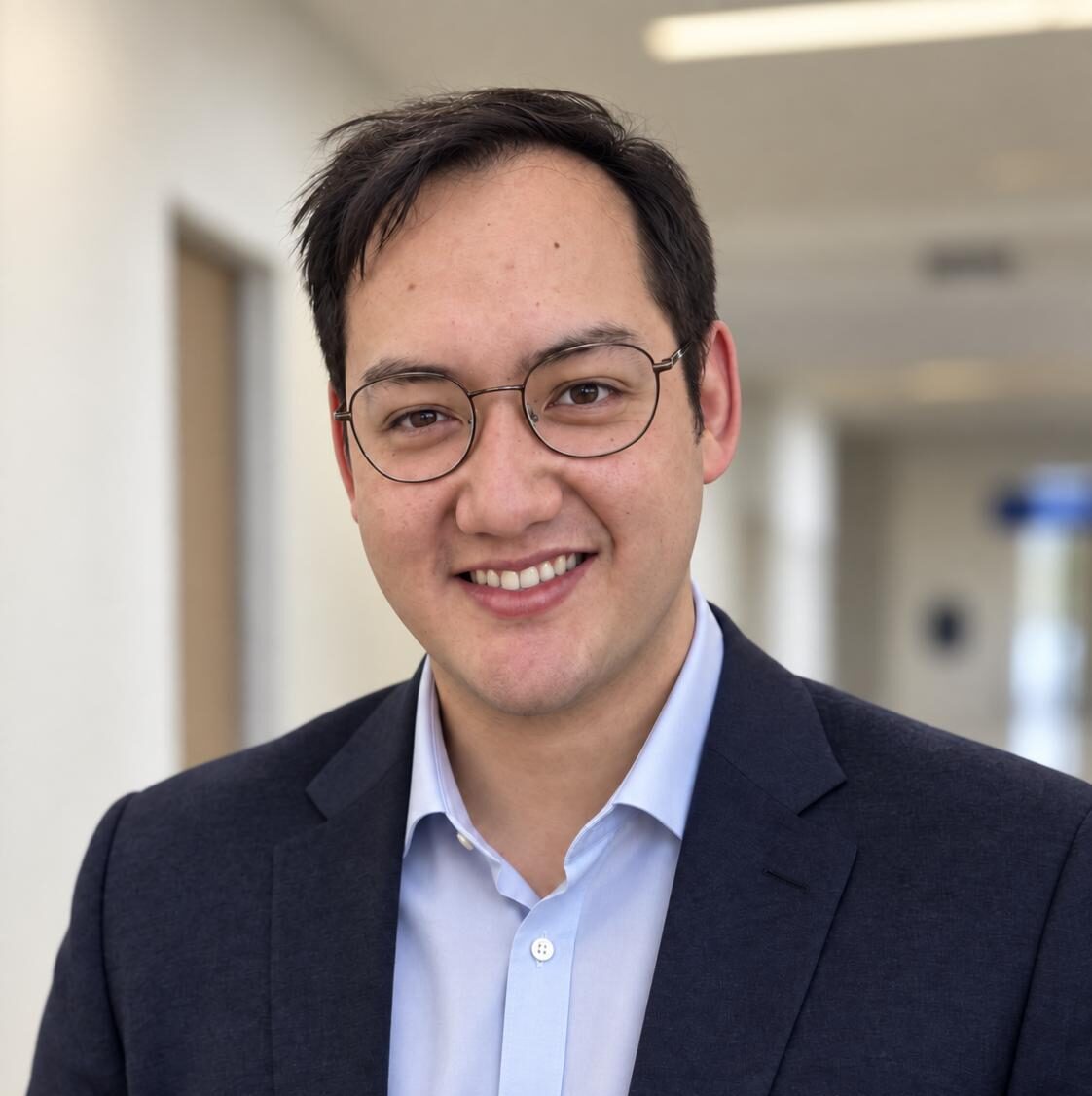
Sean’s research aims to dissect these T cell responses to TCE therapy and identify new immune targets for future combination therapies for DLBCL patients.
Researcher
Sean is dual-trained Haematologist having completed his clinical and laboratory Haematology training at the Peter MacCallum Cancer Centre and the Royal Melbourne Hospital in early 2024. Sean is currently undertaking a Fellowship in Aggressive Lymphoma at the Peter MacCallum Cancer Centre. He has research interests in novel immunotherapies in lymphoma and the mechanisms that lead to treatment resistance.