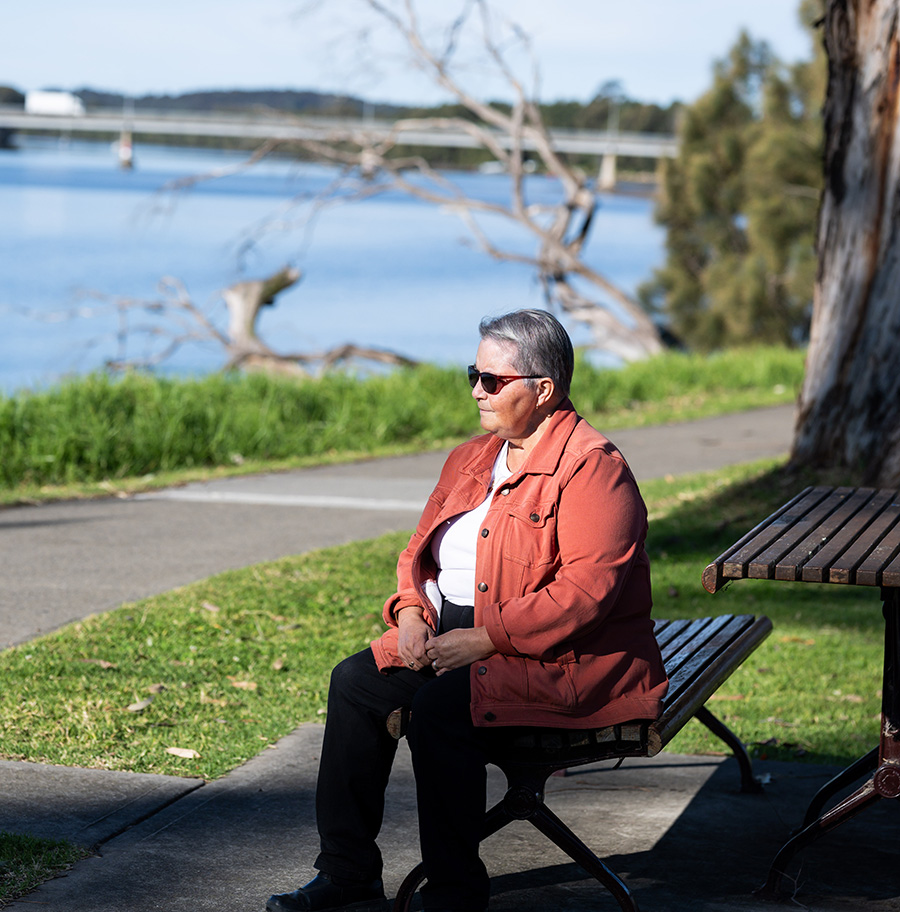
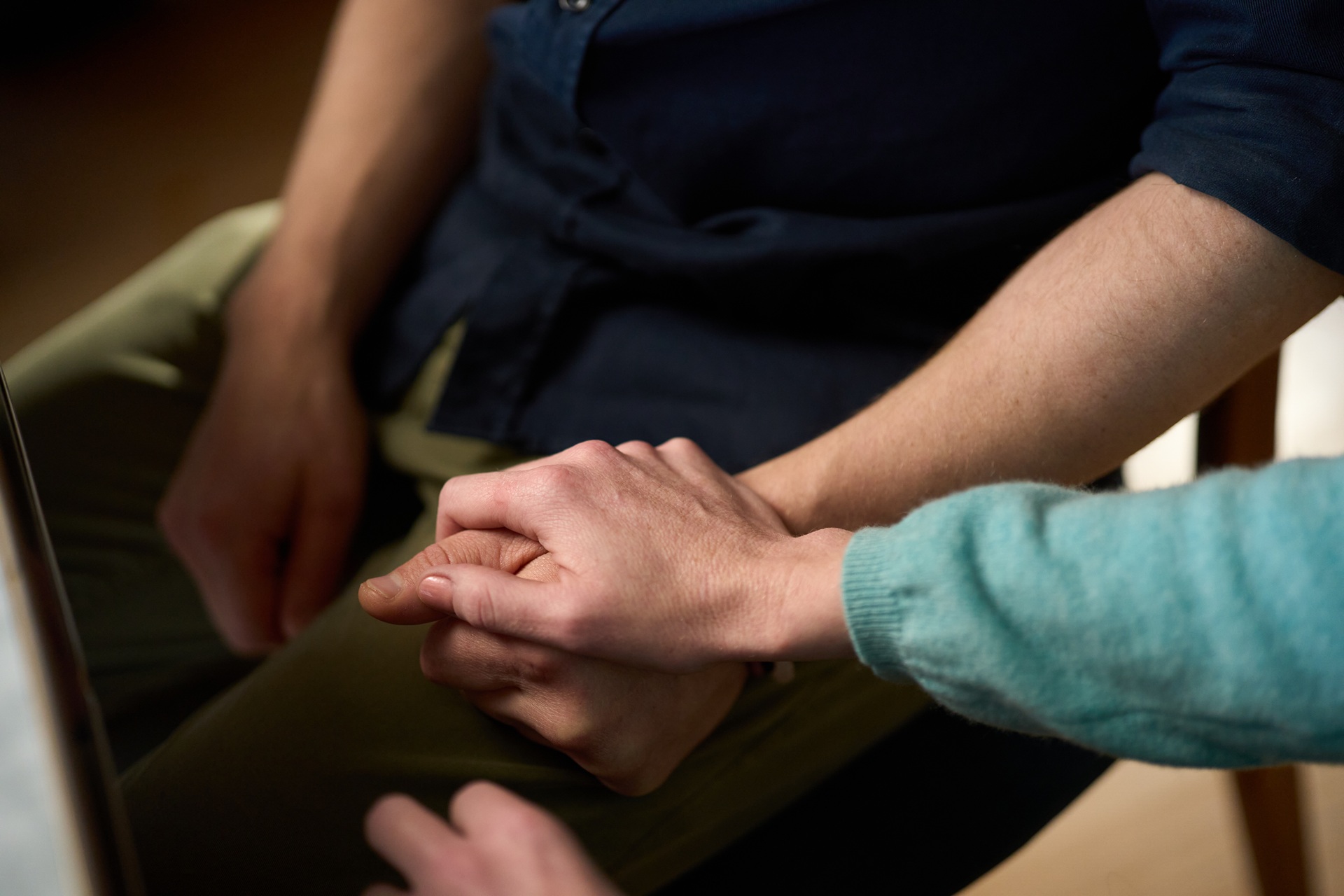
Jeff and his wife Cecily live in regional Queensland. When Jeff was diagnosed with blood cancer, they were thrust into a world of three-hour drives to treatment and tens of thousands in out-of-pocket costs.
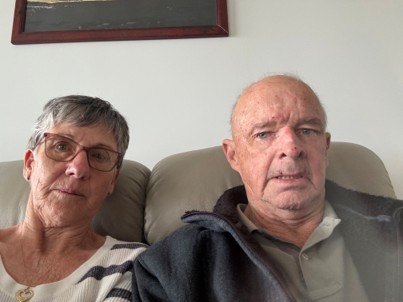
In 2022, Jeff and Cecily Labuschewski both decided to retire from the workforce and live out their dream.
“As soon as Cecily turned 65, we retired and the plan was to travel,” Jeff says. “We bought a van and were going to travel around Australia.”
The couple had been married for 38 years at the time and couldn’t have been more excited for what was ahead.
But those long-awaited retirement plans – and the future they had spent years looking forward to – were suddenly thrown into doubt.
Jeff was diagnosed with skin cancer in October 2022 and had to get it removed immediately, involving six weeks of radium therapy.
The therapy worked and Jeff went into remission. However, the cancer returned shortly after in early 2023. After a visit to an oncologist, Jeff underwent a PET scan. Nothing could have prepared him for the results.
“They discovered diffuse large B-cell lymphoma, a type of blood cancer. They didn’t know what [cancer] came first,” says Cecily.
Diffuse large B-cell lymphoma (DLBCL) is a fast-growing type of non-Hodgkin lymphoma (NHL) and it affects your B-lymphocytes, which are a type of white blood cell.
Jeff and Cecily live in Kingaroy, a regional town 218 kilometres northwest of Brisbane. To access the specialist care Jeff needed, they needed to travel multiple hours for treatment.
Limited access to healthcare professionals and services force blood cancer patients from regional Australia to travel long distances for treatment and care. People living in regional areas are 17 times more likely to report geographical and financial barriers to care than people living in metropolitan areas.
“Living regionally made things really tiring, and without Cecily, it would have been extremely difficult,” says Jeff.
What followed was months of exhausting journeys, mounting expenses, unexpected out-of-pocket costs, and ongoing rounds of treatment.
“We were three hours from Brisbane [by car], and two hours from Toowoomba where Jeff’s treating haematologist was based. All on a shocking road,” says Cecily.
There was a period when we were going to and from Brisbane three times a week. It’s just too much for a patient who’s going through cancer.
“This was extremely tiring for me, and especially if I had pain. When I was first diagnosed, I had really bad pain in my shoulder and at that time I only had Panadol. It was a difficult two-hour drive,” Jeff recalls.
Jeff’s haematologist connected him with the Leukaemia Foundation, which offers temporary accommodation to eligible regionally based Australians who need to travel long distances for treatment.
Someone [from the Leukaemia Foundation] rang me and asked if we needed accommodation and booked us in,” says Cecily.
“We weren’t right in the middle of the city. That was important for us, and it still felt like home. And the staff were just wonderful. So you know, we were very lucky.
The Leukaemia Foundation’s free or subsidised accommodation helps hundreds of regional and rural families each year, relieving the financial burden of attending medical appointments far from home. Jeff and Cecily stayed at the Leukaemia Foundation Clem Jones-Sunland Blood Cancer Centre in Brisbane, one of the Leukaemia Foundation’s 10 accommodation centres around Australia.
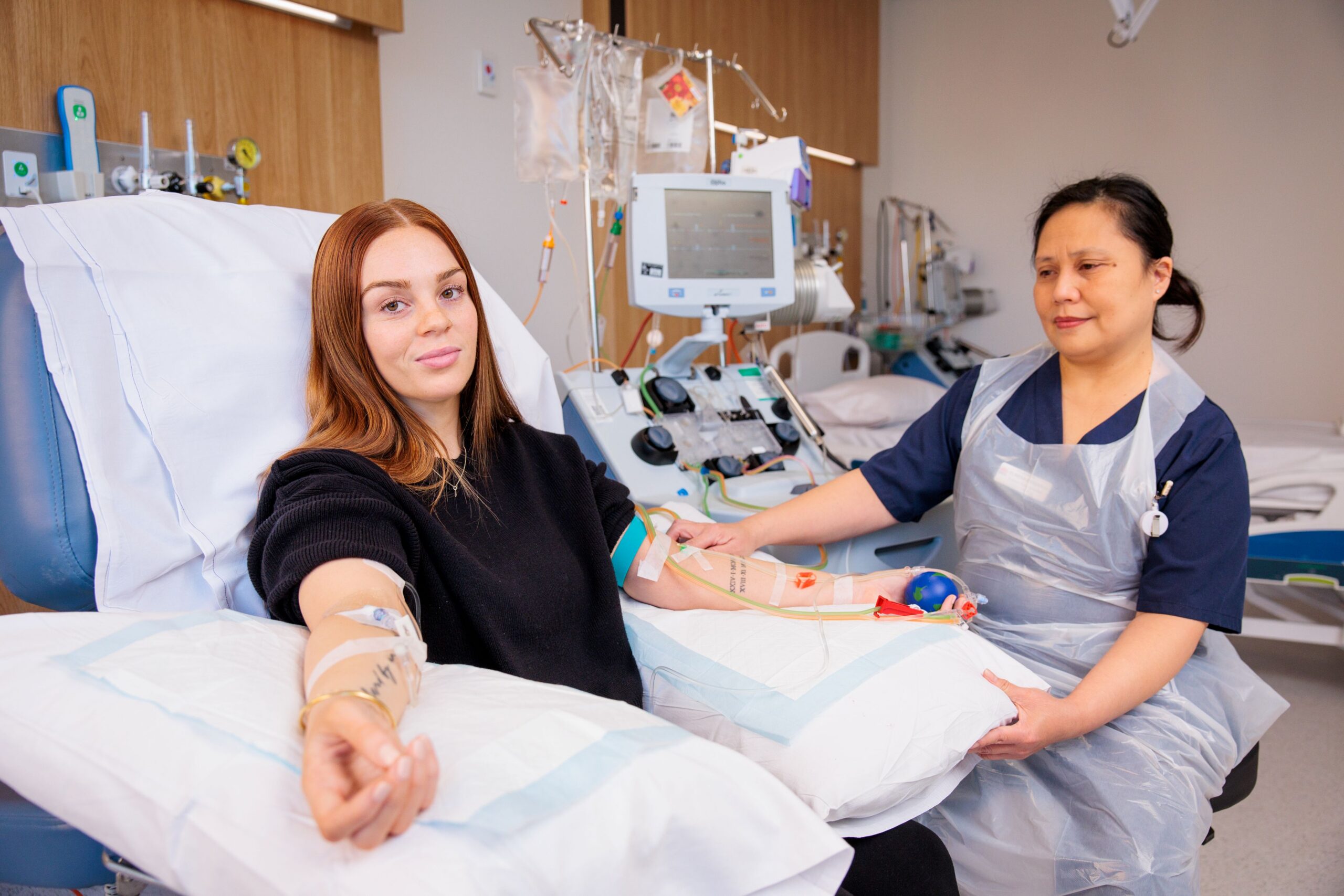
They remained at the accommodation centre for three months while Jeff underwent CAR T-cell therapy, a type of treatment that used his own immune cells to fight the cancer.
While the CAR T-cell therapy was subsidised, countless other expenses weren’t – placing immense financial pressure on the couple who now didn’t have an income since their retirement.
“We’ve paid at least $30,000 out of pocket between his two cancers,” Cecily says.
The Leukaemia Foundation’s latest findings prove that Jeff and Cecily are far from the only Australians experiencing significant financial pressures following a cancer diagnosis. 1 in 8 people with blood cancer miss, delay or cancel treatment because of financial pressures, and this needs to change.
We had to pay $700 to collect Jeff’s stem cells [for his stem cell donation]. Around $130 out of pocket a night for accommodation [outside of the Leukaemia Foundation’s accommodation centre], $350 a week just on parking, meals, and petrol.”
“The food, the scans, stem cell collection, parking, all those things gradually add up, and you find yourself dipping into savings quite frequently just because you’re adding on to your cost of living.
Having experienced the burden firsthand, Cecily knows how quickly costs like parking can add up and is calling for greater support for families facing blood cancer.
Parking was one of the huge expenses. We have public hospitals, but because
[many of]the car parks are privately owned, you pay an absolute fortune. Initially, we were paying $50 a day. That’s a big thing.
As Jeff explains, even with financial assistance, they often had to cover significant costs upfront before they could claim any reimbursement.
Medication and parking were two big expenses, and initially we had to pay for the first four nights [upfront] before we could claim anything.
From 2025-26, the Leukaemia Foundation provided 1100 financial assistance grants to Australians like Jeff and Cecily to help cover regular expenses such as parking, groceries, and fuel.
After his stem cell transplant, Jeff reached remission. However, the couple still need to travel to Brisbane occasionally for checkups.
“Although we have spent a lot of money, we feel blessed and grateful because Jeff is still in remission 2 years after his CAR T-cell therapy.”
The Leukaemia Foundation is fighting to cut the cost of cancer for Australians like Jeff and Cecily.
We’re calling for governments to help alleviate the financial burden that comes with a cancer diagnosis. No one should be missing, delaying or skipping cancer treatment due to financial stress.