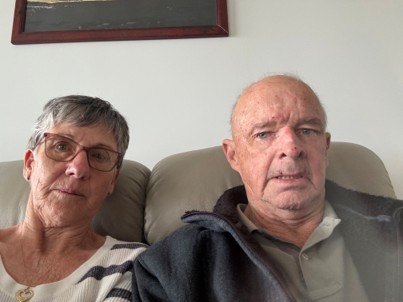
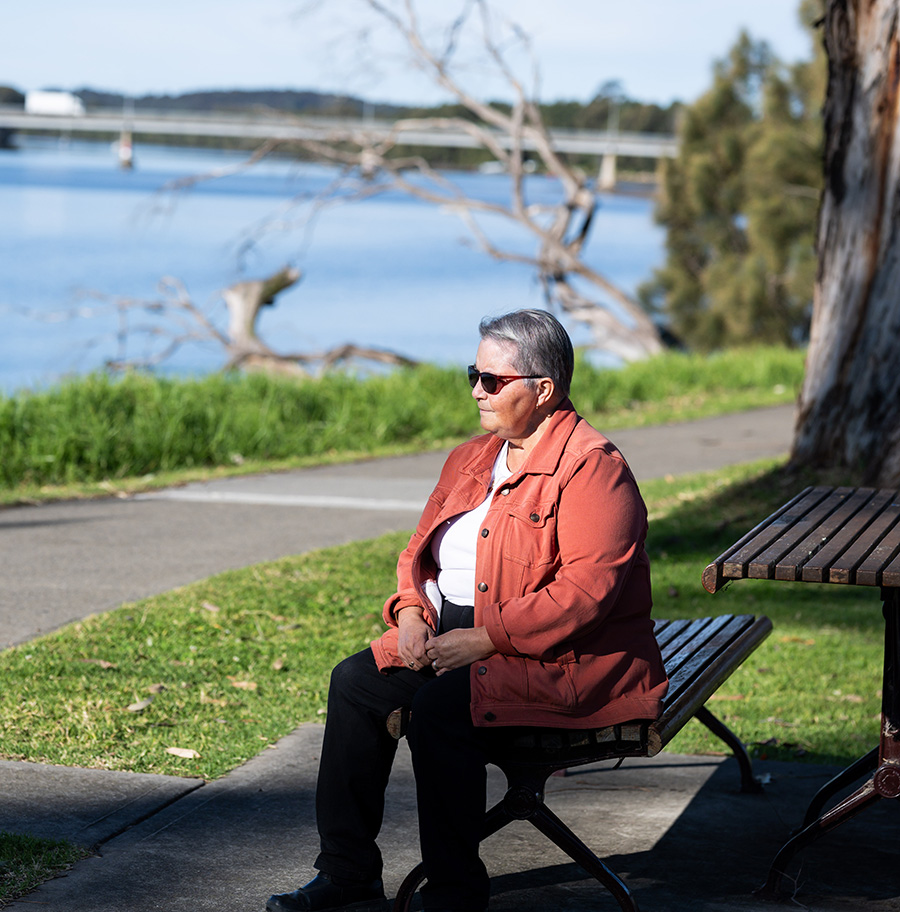
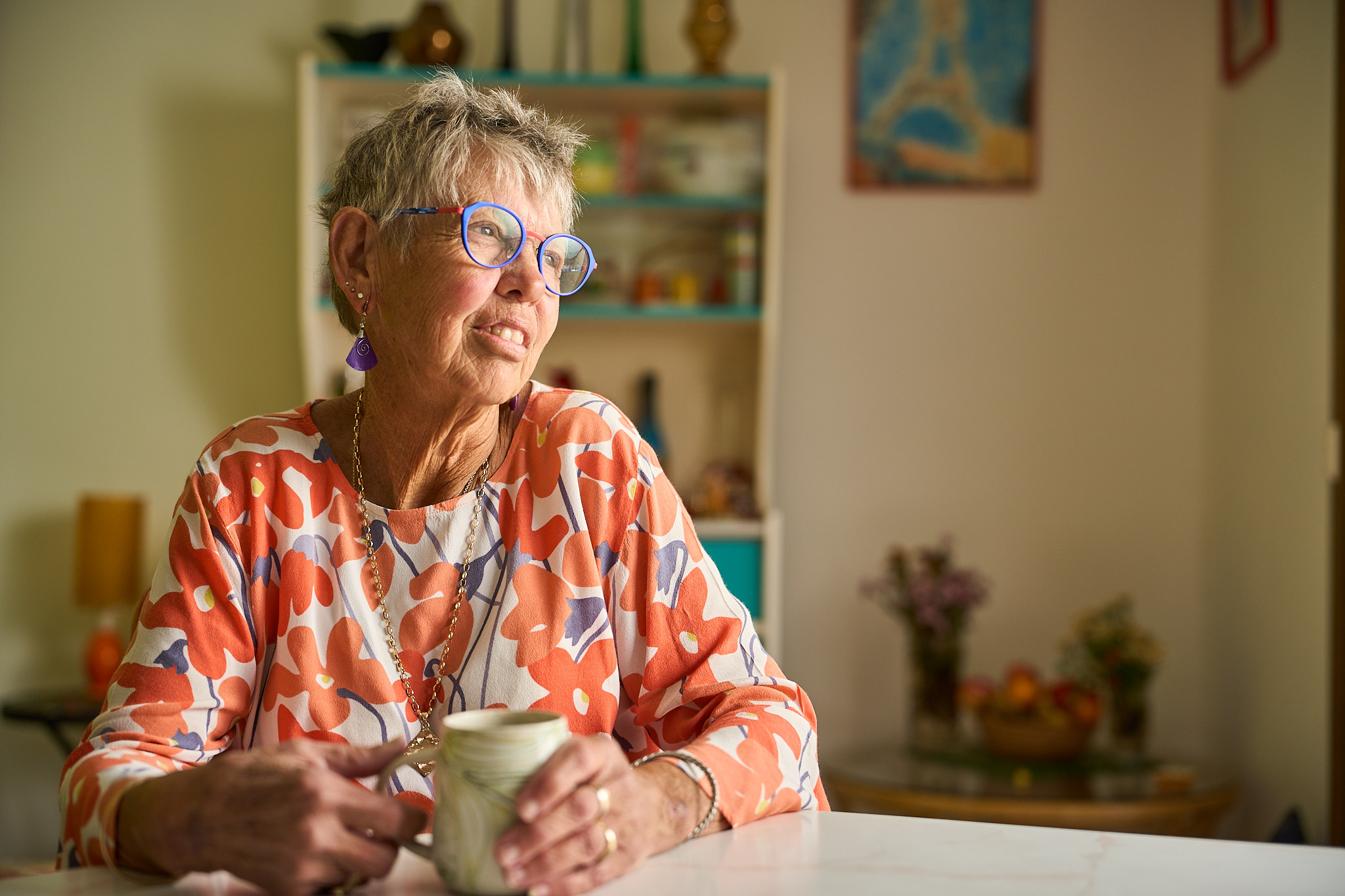
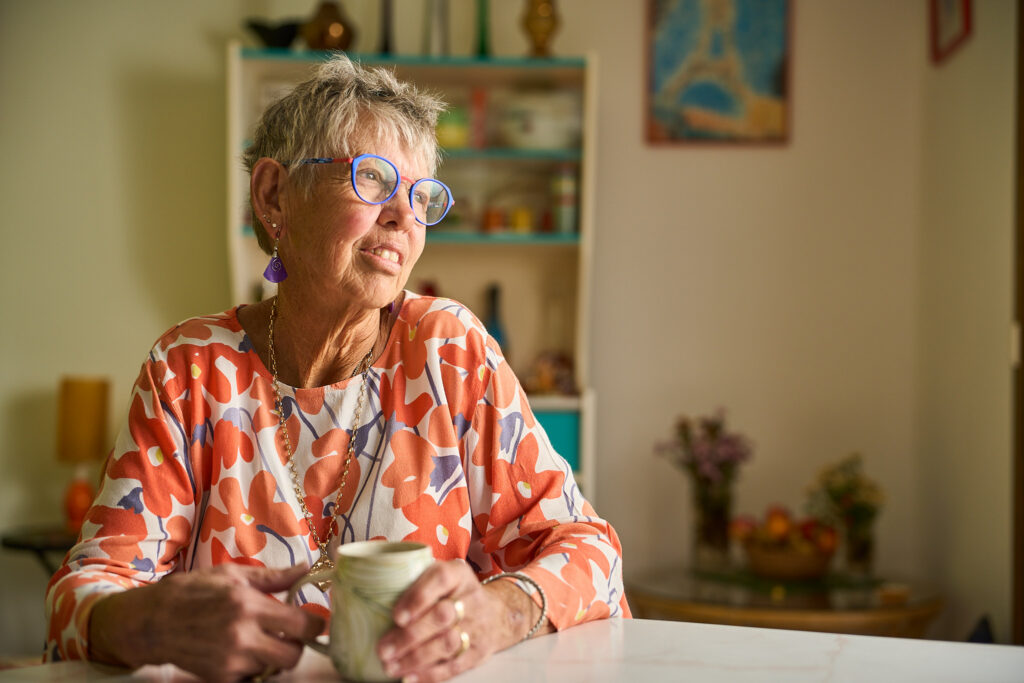
67-year-old Jenny Nixon from Wagga Wagga in regional NSW has been through a lot. She reveals the struggles of dealing with a diagnosis while living in a regional area, and the financial toll cancer took on her.
After a routine blood test in 2016, Jenny was told the news that 55 Australians hear every day – that she had blood cancer.
“It was picked up that my red cells were a bit out of whack,” she recalls. “Eventually I was diagnosed with myelodysplasia, and in 2018 I went into remission after undergoing a stem cell transplant.”
Myelodysplastic neoplasms (MDS) are a group of blood cancers which all affect the production of normal blood cells in the bone marrow. MDS occurs as a result of a mutation (or change) in one or more of the genes that control blood cell development. This change or changes results in the abnormal growth of blood stem cells.
In 2022, Jenny was four years into remission and looking forward to a trip to Africa. She went to see her haematologist ahead of the trip.
His words were, ‘You cannot go to Africa, you need to go to hospital as you have acute myeloid leukemia (AML)’.”
“I said s**t happens. And he said, ‘Yes, s**t does happen,’
Living in Wagga Wagga, Jenny was already at an immediate disadvantage when it came to accessing the care that she needed to survive.
Limited access to healthcare professionals and services force blood cancer patients from regional Australia to travel long distances for treatment and care. People living in regional areas are 17 times more likely to report geographical and financial barriers to care than people living in metropolitan areas.
Due to the lack of medical support in her hometown, Jenny had to make the 457 km trip to Sydney to get the second stem cell transplant she needed.
While her medical team were on the hunt for a stem cell donor, Jenny had to call St. Vincent’s Hospital in Sydney home for the following few months.
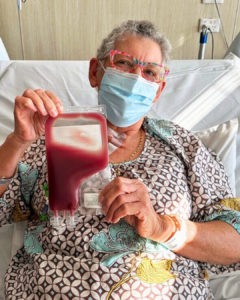
After having no luck finding a donor based in Australia, the search for a match went global – and eventually a match was found in Germany.
In 2023, Jenny underwent her second transplant after spending nine months in hospital undergoing treatment in preparation for it.
After a six-month recovery, Jenny was well enough to return home and find her new normal after her second experience with blood cancer. But that has been easier said than done.
Today, Jenny continues to experience cancer-related fatigue, an all-too-common side effect of cancer and treatment
Unlike regular fatigue and ‘tiredness’, cancer-related fatigue doesn’t go away with a good night’s sleep and can linger long after treatment ends. It is estimated that more than 80% of Australians with cancer suffer from cancer-related fatigue at some point. Symptoms also include weariness, nausea, poor appetite, and stress.
I still have non-functional days – that’s what I call them. Some days 11 times a day, it just hits you. If I need to sleep, I sleep. But I don’t overcommit. I’ve learned to cope.
Before her first blood cancer diagnosis, Jenny was living her dream – running a baking business in Wagga Wagga and doing what she loved best.
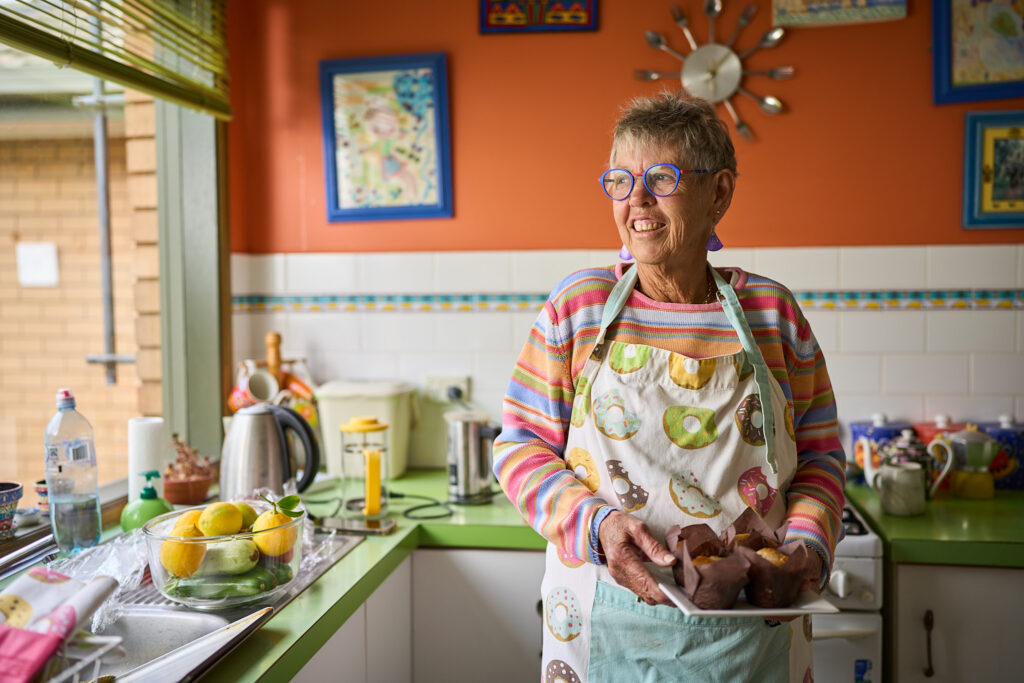
But despite having to give up her job and accept her new limitations, Jenny remains in high spirits.
The fatigue has been bad. But I’ve managed it and don’t fight it.
“I’ve regained my identity, which has made my life much easier. My life is now perfect. I enjoy gardening, sewing, volunteering, and, of course, baking.
In addition to cancer-related fatigue, Jenny continues to feel the financial toll of cancer – a hidden but national crisis
A recent Leukaemia Foundation survey found 1 in 8 respondents also reported missing, delaying or cancelling care because of financial pressures. Some people pay $20,000 out of pocket annually. This needs to change.
“Living regionally, I needed to fly to Sydney every two weeks for a few weeks after my transplants, leaving me out of pocket approximately $150 per visit. I now have to go to Sydney twice a year, which is still an expense to me.

“I have to continue on my anti-viral drugs, [and] I cannot get them on the PBS. I currently see a variety of specialists due to treatment affecting my organs, which leads to a rather large out– of– pocket expense each visit.
“As a self-employed single woman, I have had to bear the burden of additional costs out of my pocket and having no sick leave to fall back on, I have had to rely on Centrelink payments to survive.
“The costs of doctors, specialists, and trips to Sydney [add up], and the weeks I’m too fatigued to work are daunting.”
Thankfully, Jenny was able to connect with the Leukaemia Foundation and received financial assistance to help ease the burden.
The Leukaemia Foundation supports Australians navigate the financial burden of blood cancer. Through accommodation support for patients and families from regional areas alongside trusted information and education services, we help people navigate financial challenges and make informed decisions.
Throughout my journey, the Leukaemia Foundation has supported me with valuable information leading up to both transplants and still continue to do so today, even though I am three years out from my second transplant.
They have also supported me with vouchers [for fuel and groceries. I am eternally grateful for the support they have given me.
The Leukaemia Foundation is fighting to cut the cost of cancer for Australians like Jenny.
We’re calling for governments to help alleviate the financial burden that comes with a cancer diagnosis. No one should be missing, delaying or skipping cancer treatment due to financial stress.
Learning from her own experience, Jenny recalls the significant financial toll of parking and is calling for more support from the government.
“One financial thing that could help new patients diagnosed with cancer if the cost of parking [being further subsidised], and more patients being told that [subsidy schemes exist in the first place].”