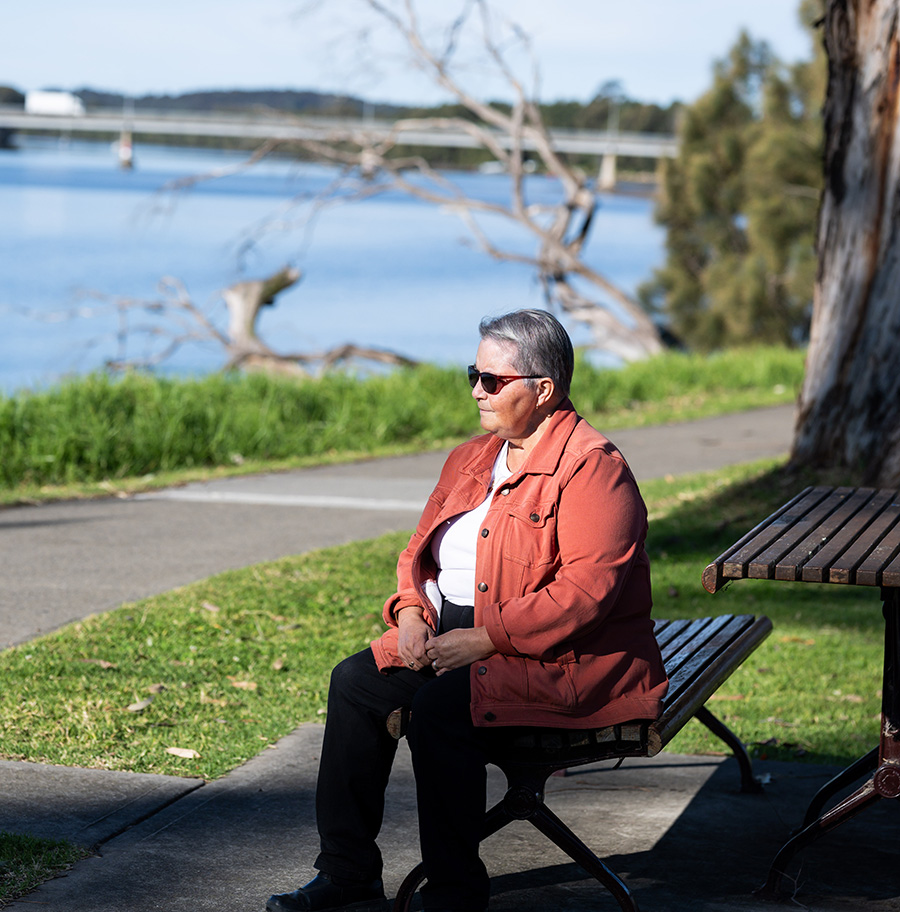
Em Meades’ sense of humour and practical approach were evident throughout her blood cancer experience. This is the first of a four-part series, sharing Em’s story in her own words. It covers her virus-like symptoms, a shock diagnosis of cancer and the outpouring of love and support from family and friends which helped her face The Big C.
“I think I’m dying,” I said flatly and collapsed into the chair in my GP’s office. She looked at me and asked, “Oh? Tell me why.”
My partner Ruth and I proceeded to outline my viral symptoms from the past five weeks – night sweats, an inability to move from bed, fevers, a high heart rate and, for the past few days, huge puss-filled mouth ulcers that meant I was living solely off KFC’s mashed potato and McDonald’s Frappes.
My GP raised her eyebrows, looked in my mouth and then took my blood pressure, heart rate and temperature.
“I’m going to recommend you take this letter and go straight to ED. Please,” she said.
I groaned in resignation.
She thought it might be blood clots or something related to that, and wasn’t happy with my heart rate as it was very high.
Ruth and I ducked home to grab a book and a pillow, and headed to Maroondah Hospital.
After reading my GP’s letter, the triage team took my blood, installed a cannula and measured my blood pressure, heart rate and temperature straight away. Half an hour later the head of emergency, Dr Robyn (as I know her), called me into a private side room.
“Em, there are abnormalities in your blood results which are very unusual for someone your age,” she said (while drawing more blood from my arm).
“Define abnormalities?” I said.
“Your white blood cell count should be about 8. It is 95.”
“Cool. I just want to confirm, it’s definitely not scurvy?”
I’ve rarely seen a doctor look as confused as Dr Robyn did in that moment. In reality, we both knew what a high white blood cell count probably meant. Although she couldn’t give an official diagnosis, she did confirm it was probably cancer. It was the 16 November 2023.
Within two hours, I was sitting with a haematologist in a ward at Box Hill Hospital and she asked what I’d been told so far. I explained I knew my bloods were suspicious and it was most likely leukaemia. She confirmed the diagnosis and, although they wouldn’t know the type for a few days, I was immediately started on intravenous fluids and oral chemotherapy. On the same night I was asked, multiple times, if I planned to have children and, if so, did I want to discuss harvesting and freezing my eggs? This was one of many intense and full-on discussions that occurred over the next 48 hours between Ruth, myself and our care team. Ruth and I were not prepared for any of it.
Sharing the news when your world changes overnight
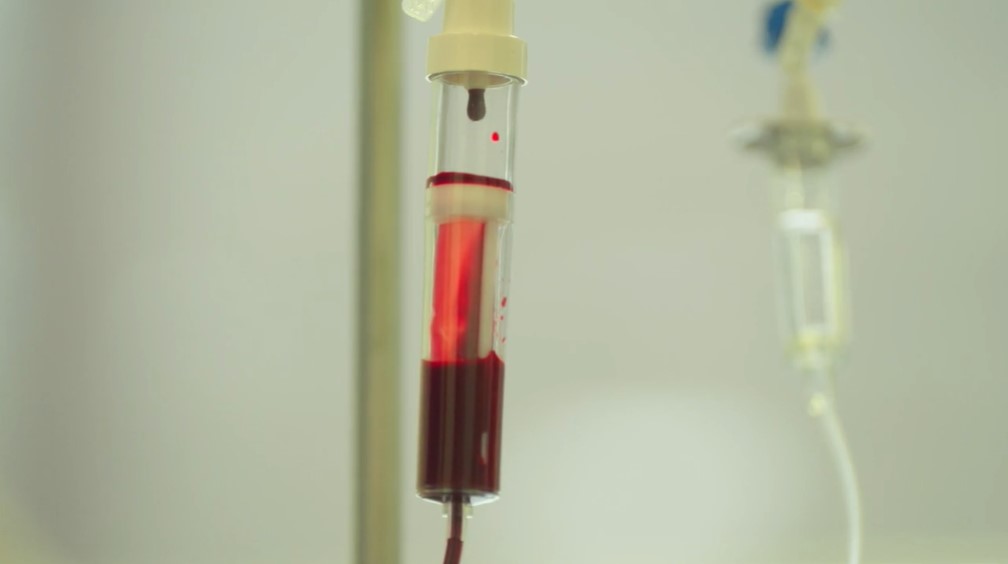
The next few days were a whirlwind. I was so sick and grateful to sink into a bed and not have to move for a few days. I was amazed at the immediate restorative power of a few bags of blood and learnt what it meant to be neutropenic (low in neutrophils , the white blood cells that fight infections), along with other new and strange terms. The doctors also confirmed I had acute myeloid leukaemia.
The Leukaemia Foundation has been helping people with blood cancer for 50 years.
Ruth and I looked at each other on the second or third day and realised we needed to tell people because we were both, along with our young person, going to need support. My haematologist had also made it clear there was a chance I wouldn’t make it to Christmas. He said if I’d arrived at emergency even just a handful of days later, I wouldn’t have made it another week. I didn’t want that to come to as a shock to anyone if the worst did eventuate and, at that stage, we had no idea where things might go.
I made the call early to be open on social media and tell everyone what was going on. This was partly an effort to alleviate any shock if my condition escalated to a very unwanted ending. I was also aware of the burden of communication that was about to fall on Ruth. She started a new job three days after I was admitted to hospital and I didn’t want her shouldering the burden of answering a million questions and communicating my status, treatment and wellness with everyone constantly. It felt like something I could take off her plate and easily facilitate from hospital.
We were overwhelmed by the love that came pouring in and I was shocked by the amount of people who showed up in my hospital room over the next few days. Friends, family and work colleagues visited. There were messages from family and friends I hadn’t heard from in a long time, phone calls – it was a very humbling experience. I can’t explain how important it was for me, Ruth and our young person.
Leukaemia is a wild ride. If you, or anyone you know, have ever been through it you will understand the unknowns that plague the experience.
Thanks to the support and donations from the community, the Leukaemia Foundation offers a wide range of blood cancer information and resources to people like Em to help make the ride a little less wild.
The obsessiveness with neutrophils. The knowledge that a prognosis wasn’t straightforward like some other cancers. There’s a hands-off-the-wheel feeling about whether the chemo will or won’t work. There’s stress when there’s no full match for a transplant and overwhelm when you’re in meetings talking about the inevitable transplant (we believed I would need one) and all the complications that can come from it. There’s a realisation that leukaemia is cancer, but there’s no tumour or lump. It’s your blood mutating – in my case, my genes mutated. But it is cancer. The Big C. It also literally happened overnight. One minute we thought I was just super sick with a really bad viral infection, the next minute my tongue-in-cheek, “I think I’m dying” comment turned out to be true and, in a matter of hours, our whole world was turned upside down.
This is an excerpt from Em’s personal blog and was initially published on 16 November 2024. Read part two of Em’s story.
If you’d like to donate to help more people like Em and Ruth quickly get the information they most need after the shock of diagnosis, click here.