As we mark our 50th anniversary, your support will help us get cancer care closer to where it belongs.
Australia is seeing a historic shift in the way cancer impacts our communities, with more people surviving cancer than ever before. We’ve helped shape half a century of progress but the next chapter is just as important – and it’s only just beginning.
So we’re building on our legacy by bringing care closer to the lives behind every diagnosis. Making sure it’s there when and where it’s needed most by people living with or beyond cancer.
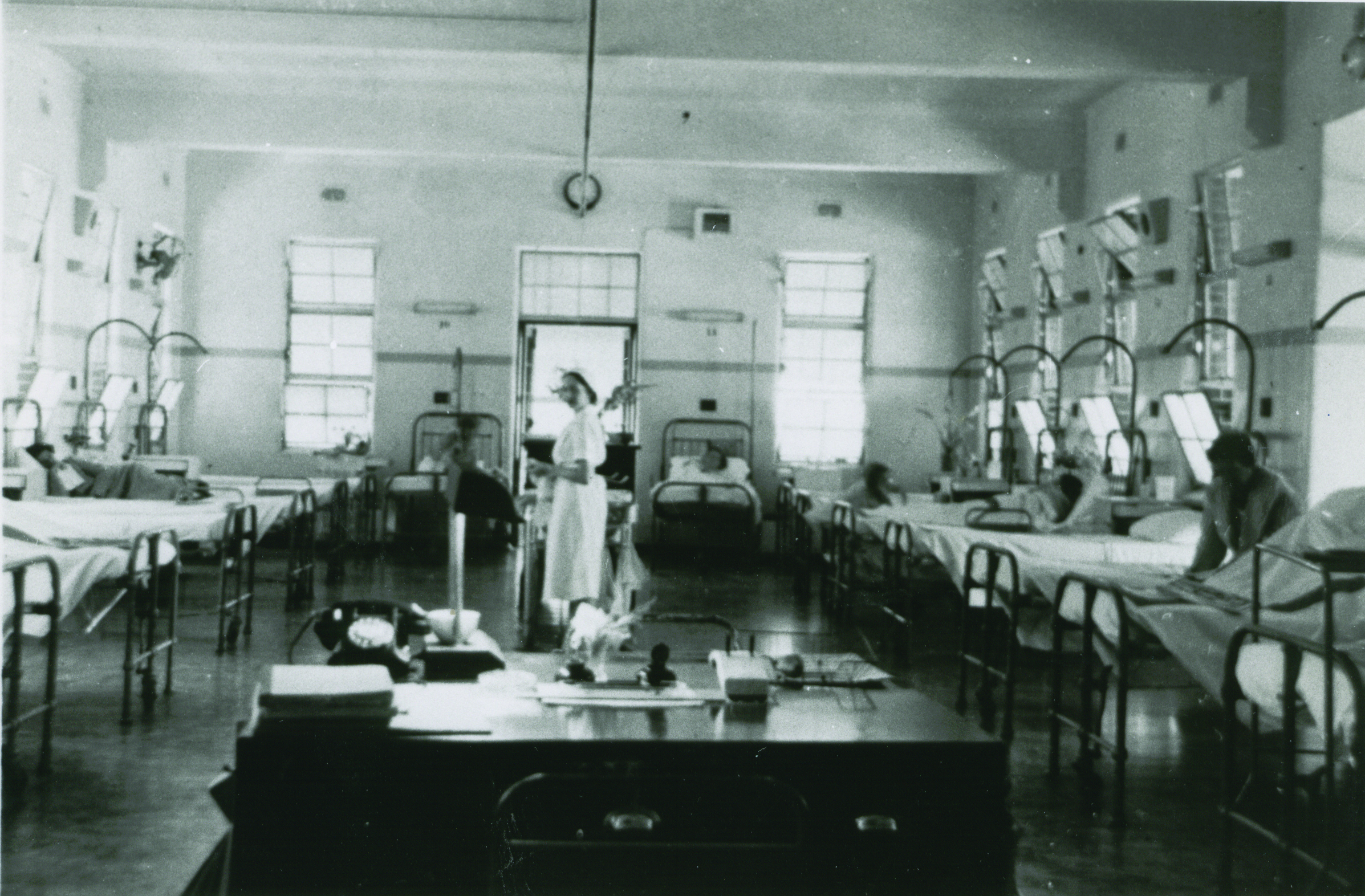
1970s
A death sentence
In the 1970s, a leukaemia diagnosis was virtually a death sentence. Limited treatment options, overcrowded and underfunded hospitals and a single leukaemia specialist in Brisbane meant Queensland families often faced hopeless odds and heartbreaking separation.
1971
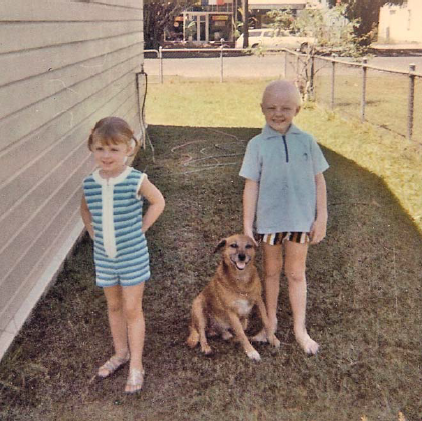
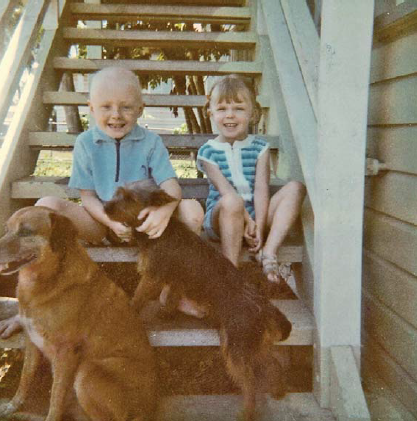
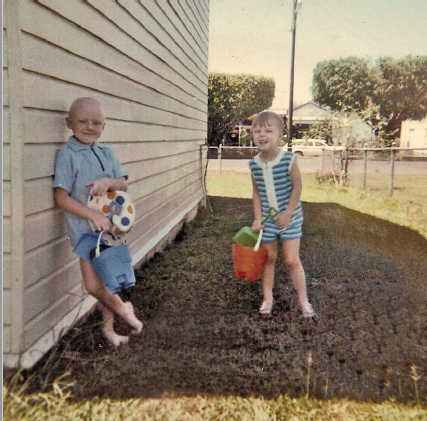
A young boy named John Stevenson is diagnosed
At just five years old, John Stevenson is diagnosed with leukaemia in Richmond, Queensland. He would later lose his life, and the hardships his family faced would later inspire the creation of the Leukaemia Foundation.
1974
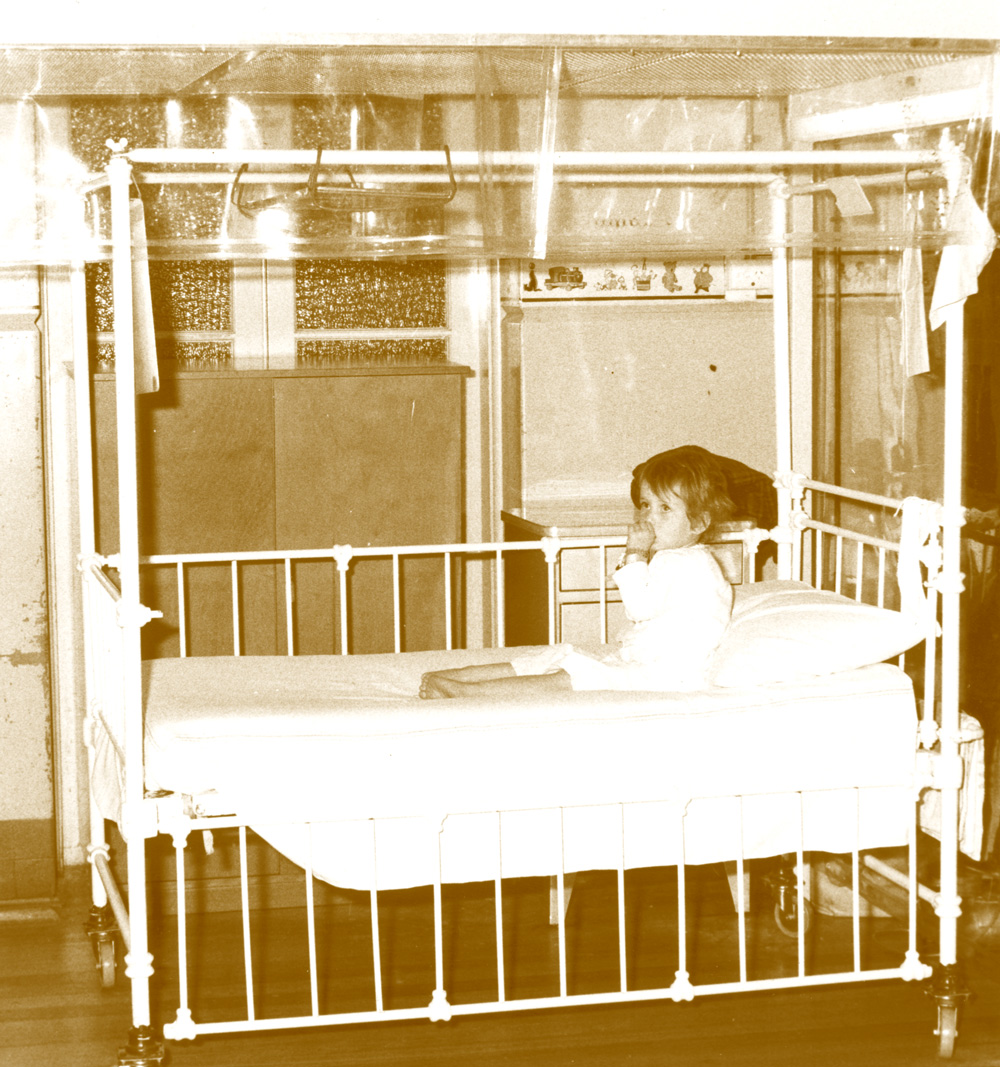
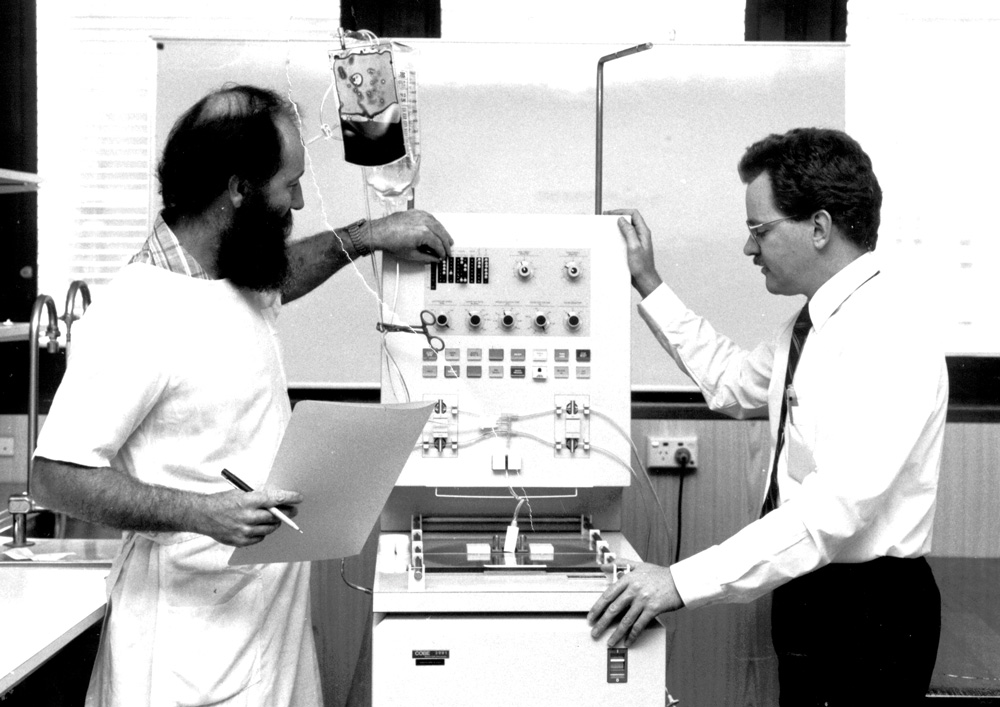
The first Laminar Flow Bed
Frustrated by the lack of safe facilities, John Stevenson’s doctor, Trevor Olsen, partners with the Kurilpa Lions Club to raise $1,300 for a laminar flow bed. This allowed immunocompromised children to safely interact with loved ones.
March 1975
A meeting sparks a movement
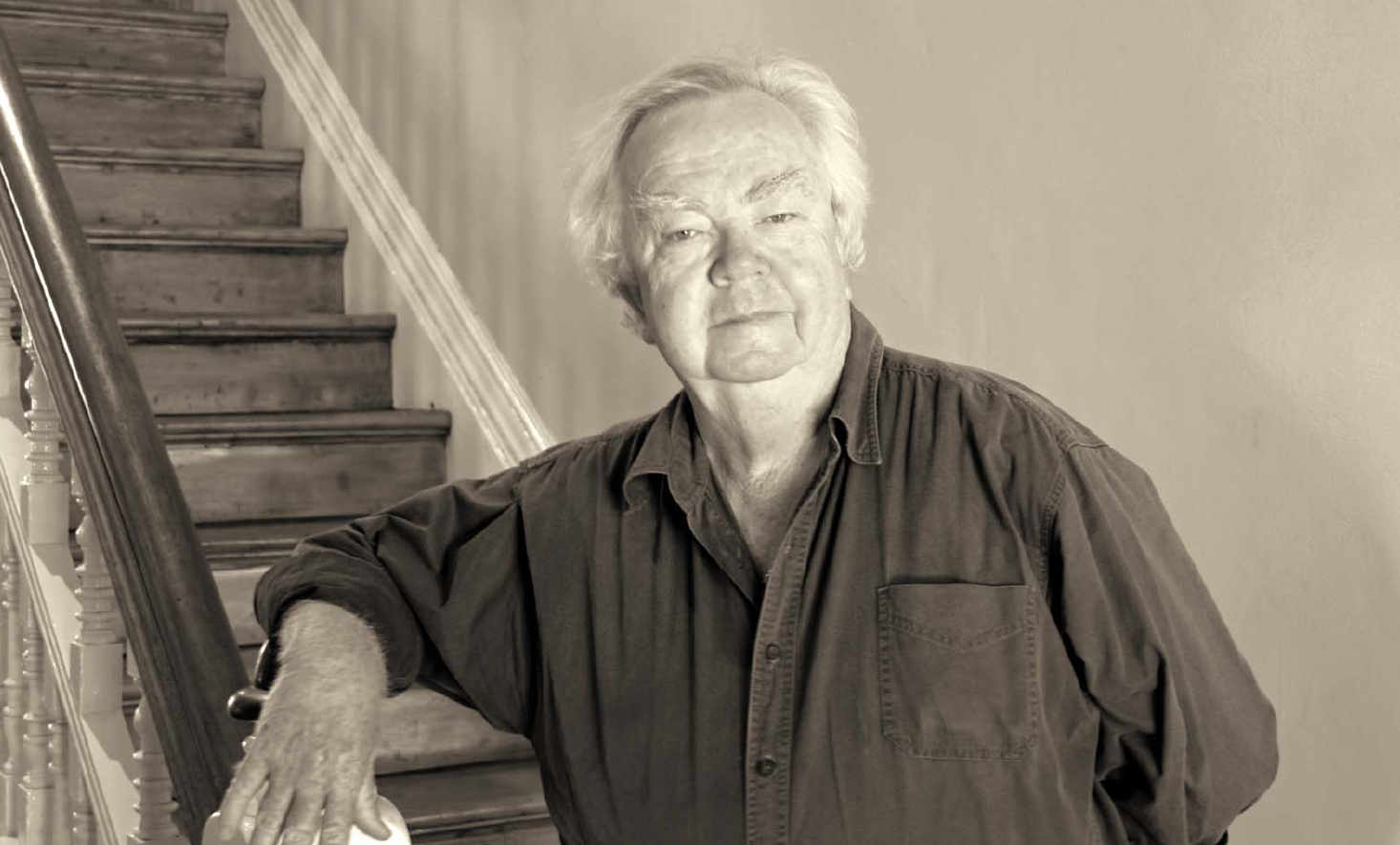
Moved by the loss of his son, Bernie Stevenson speaks at the Holland Park Lions Club about Queensland’s dire lack of equipment for leukaemia patients. A motion is passed to help buy a life-saving blood cell separator, valued at $20,000.
September 1975
New beginnings
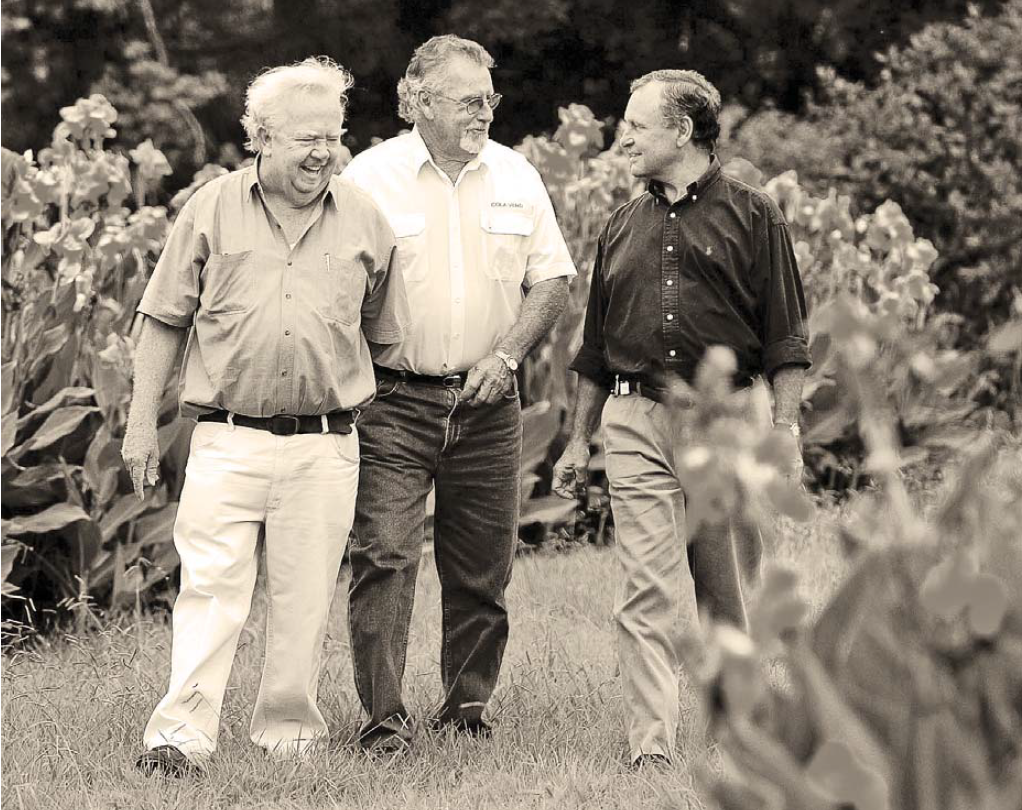
Six Lions Club members – including Bernie Stevenson, Keith Ledger and Dr Trevor Olsen – meet and agree to formally establish the Lions Leukaemia Foundation. The new trustees contribute $50 each to get it off the ground.
“The true founders of the foundation are those patients who passed away during its formation.”
October 1975
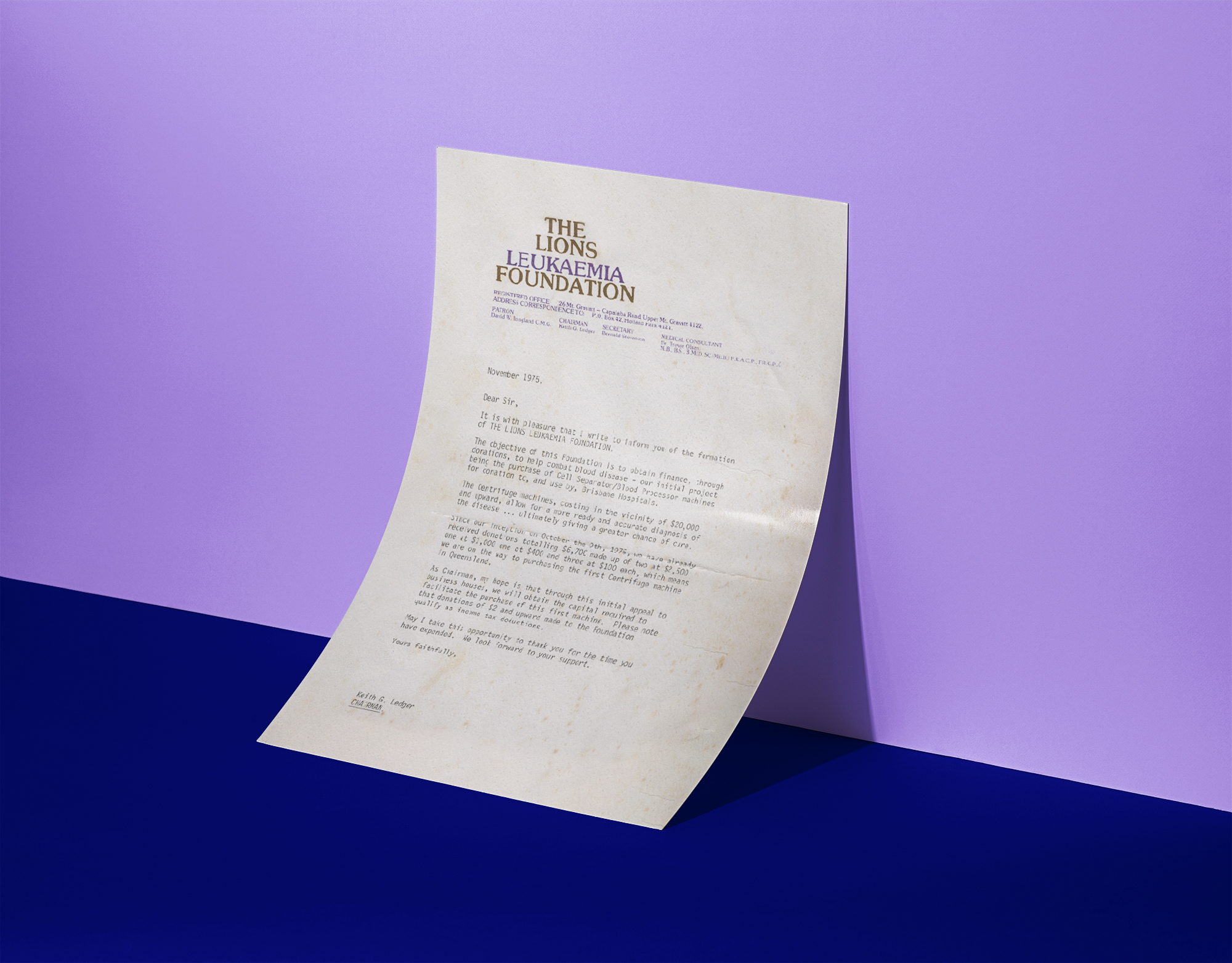
The Lions Leukaemia Foundation is born
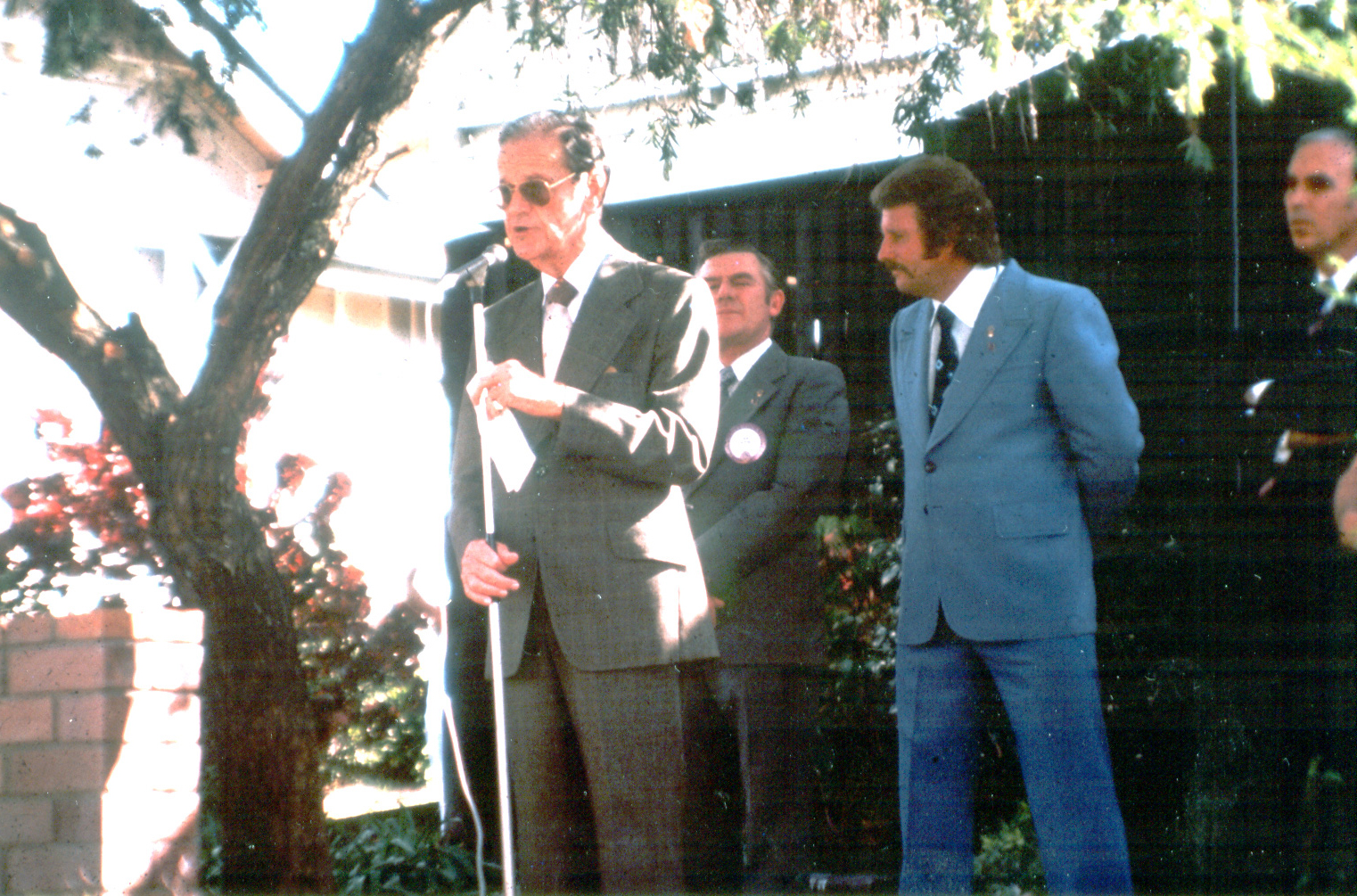
A public meeting is held to adopt a constitution, elect the Leukaemia Foundation’s first executive committee, and appoint Sir David Longland as patron. The Leukaemia Foundation’s four enduring aims are set: equipment, research, education and support.
“Our initial aim is the provision of one machine. More machines are needed, more research is needed, more funds are needed – each way we look we can see the need for more – who can say what our eventual goal should be? Whatever the answer, our efforts can only improve the existing bleak conditions of sufferers of this disease.”
October 1971
‘No money so these people must die!’
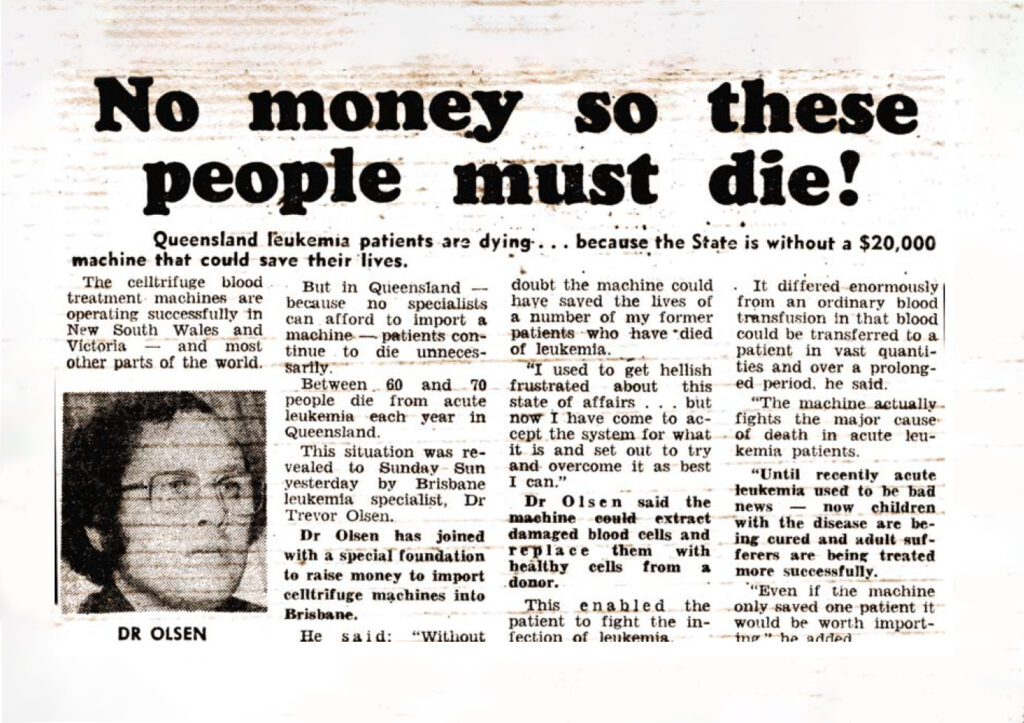
The Sunday Sun publishes a damning article quoting Dr Olsen on the lack of a blood cell separator. The public outcry is immediate, and donations begin to pour in. Initially a critic, Queensland’s Health Minister Sir Llew Edwards would go on to become the foundation’s patron. He later said Olsen’s early criticism had been “totally correct”.
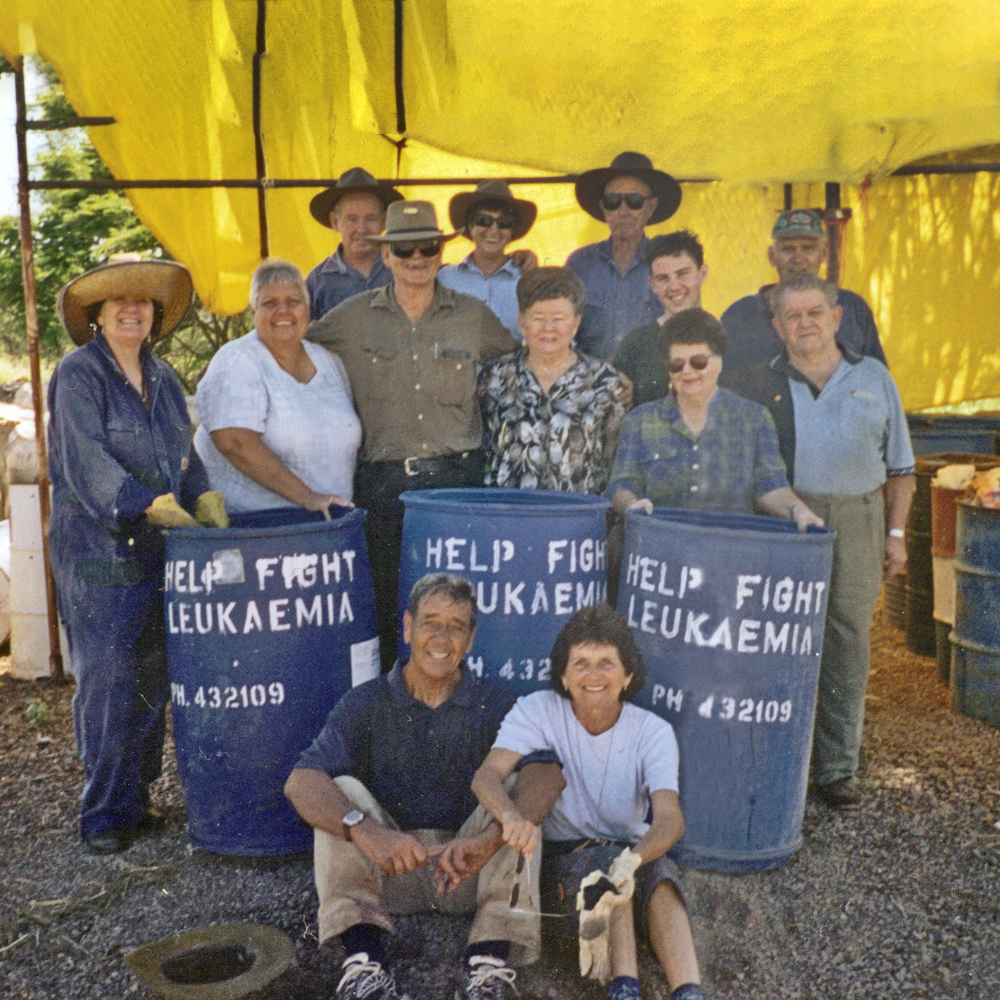
December 1975
$19,000 raised!
Just three months after launching the campaign, the foundation has nearly reached its $20,000 goal. One donor gives $5,400; another donates a fibreglass boat to raffle.
March 1976
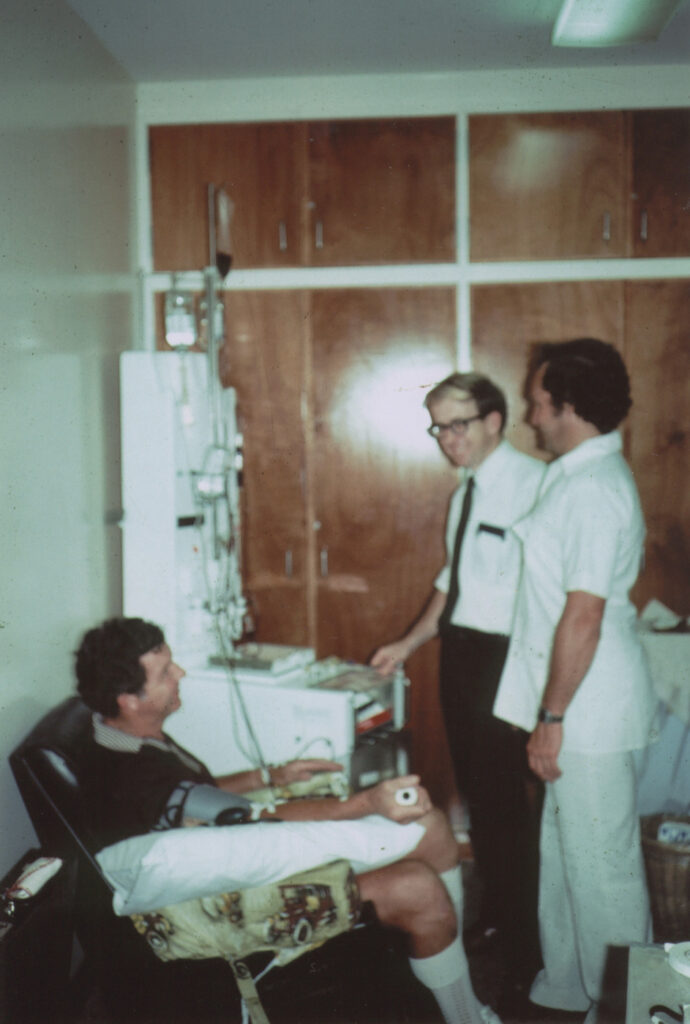
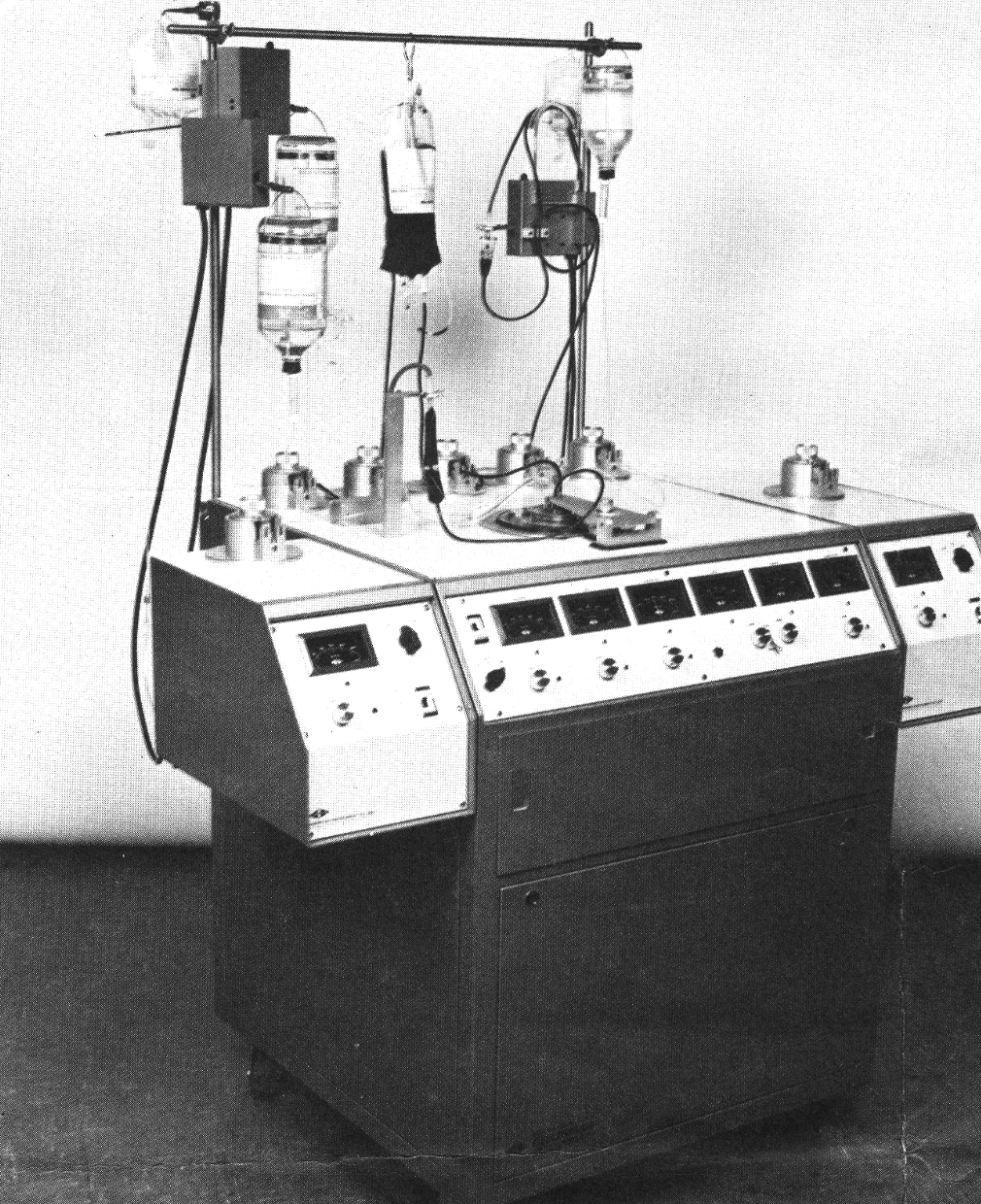
Blood cell separator arrives
The foundation’s first major purchase – Queensland’s first blood cell separator – arrives from Japan and is installed at the Mater Children’s Hospital.
1976
First research grant
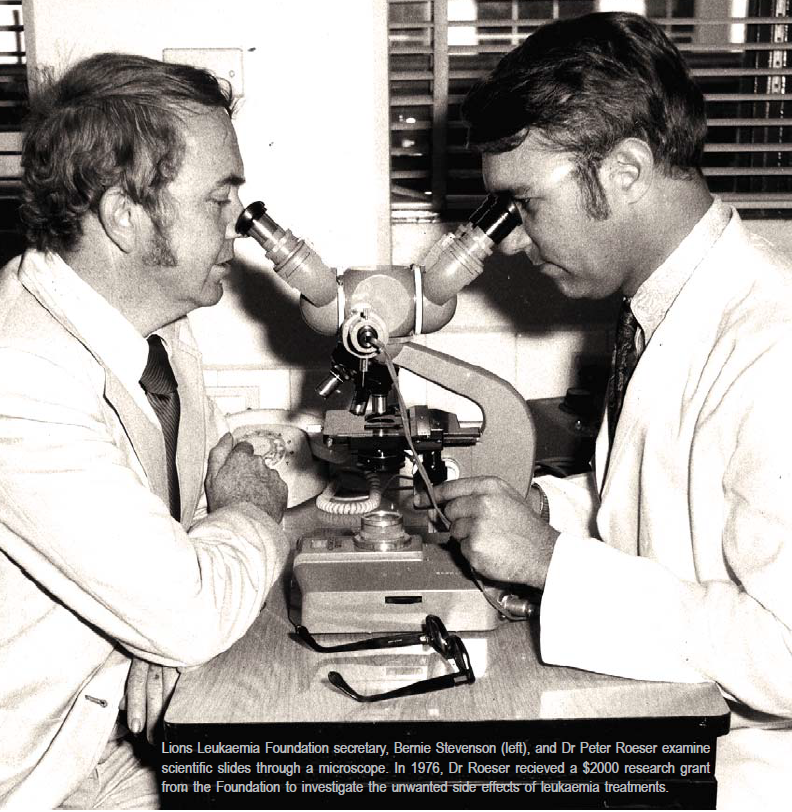
Dr Peter Roeser is awarded a $2000 research grant by the Lions Leukaemia Foundation to investigate the long-term side effects of drugs used to treat leukaemia.
April 1977
Home away from home
After learning regional leukaemia patients are sleeping in cars and caravans outside hospital, the foundation purchases and renovates a Queenslander home in Annerley and names it ‘Hollydene’. It’s the first free accommodation service to help blood cancer patients travelling from regional areas.
“Hollydene became an absolute gem but there were some very sad moments in those days”
1980s
A name change
As the foundation expanded its reach beyond the Lions movement, it formally dropped ‘Lions’ from its name, becoming the Leukaemia Foundation of Queensland.
1981
An ambitious new era
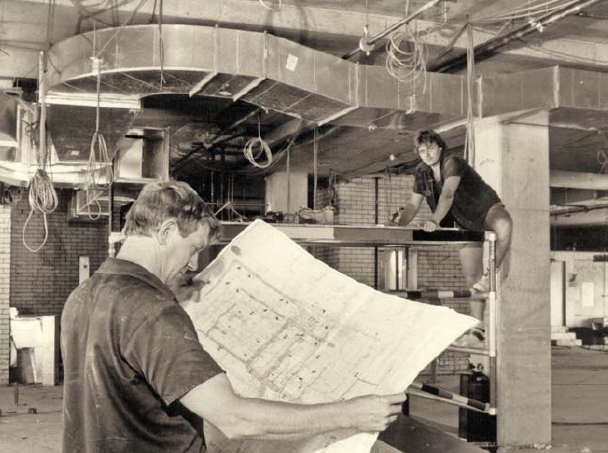
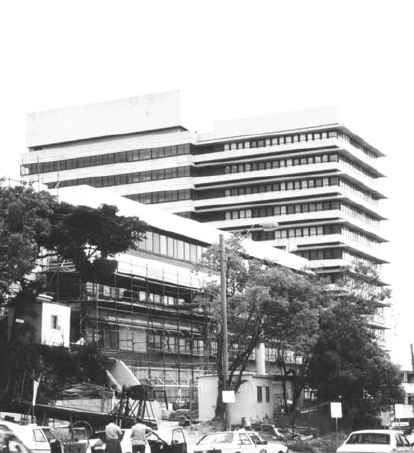
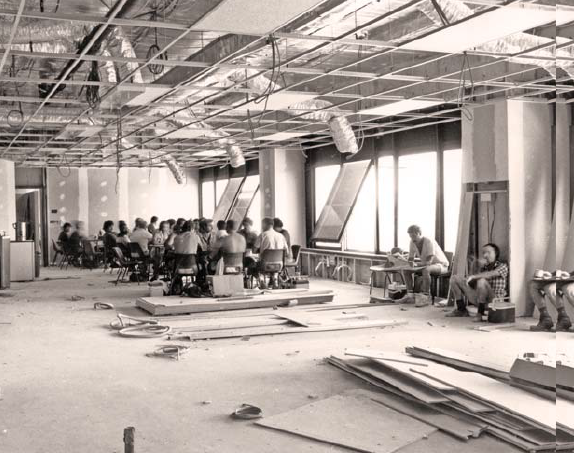
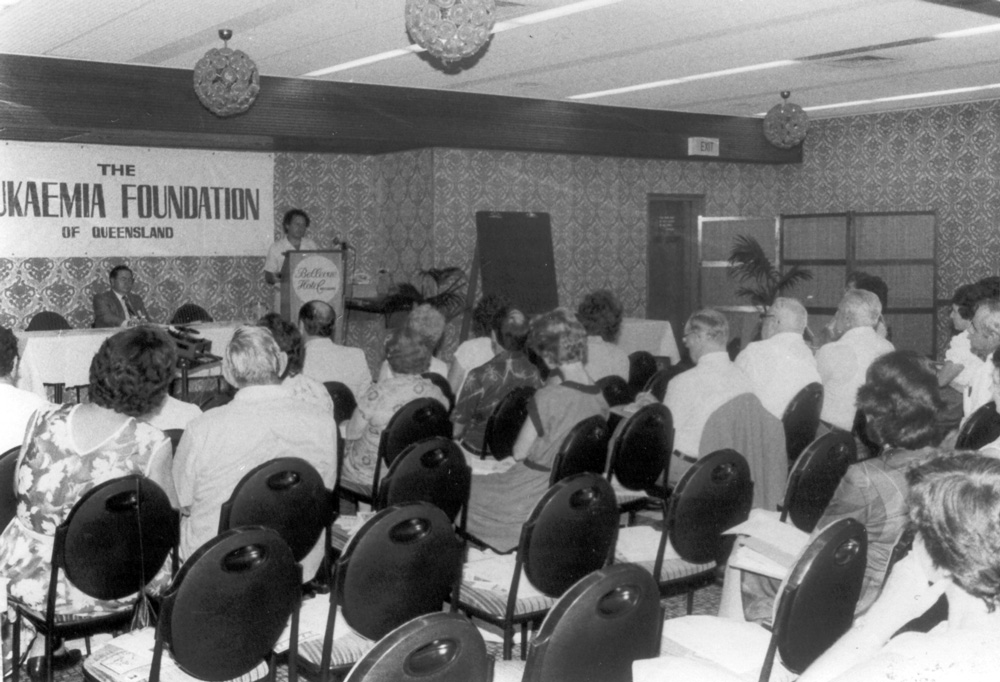
The Leukaemia Foundation of Queensland commits to raising $1.5 million for the establishment and maintenance of Queensland’s first ever bone marrow transplant unit. Eventually, 10 branches and 606 members throughout the state were actively raising funds for the breakthrough new facility.
1981
Expanding operations
As operations expanded, the Leukaemia Foundation moved from kitchen tables to new offices in Brisbane’s Queen Street, marking a new era of professionalism and permanence.
1985
First purpose-built accommodation
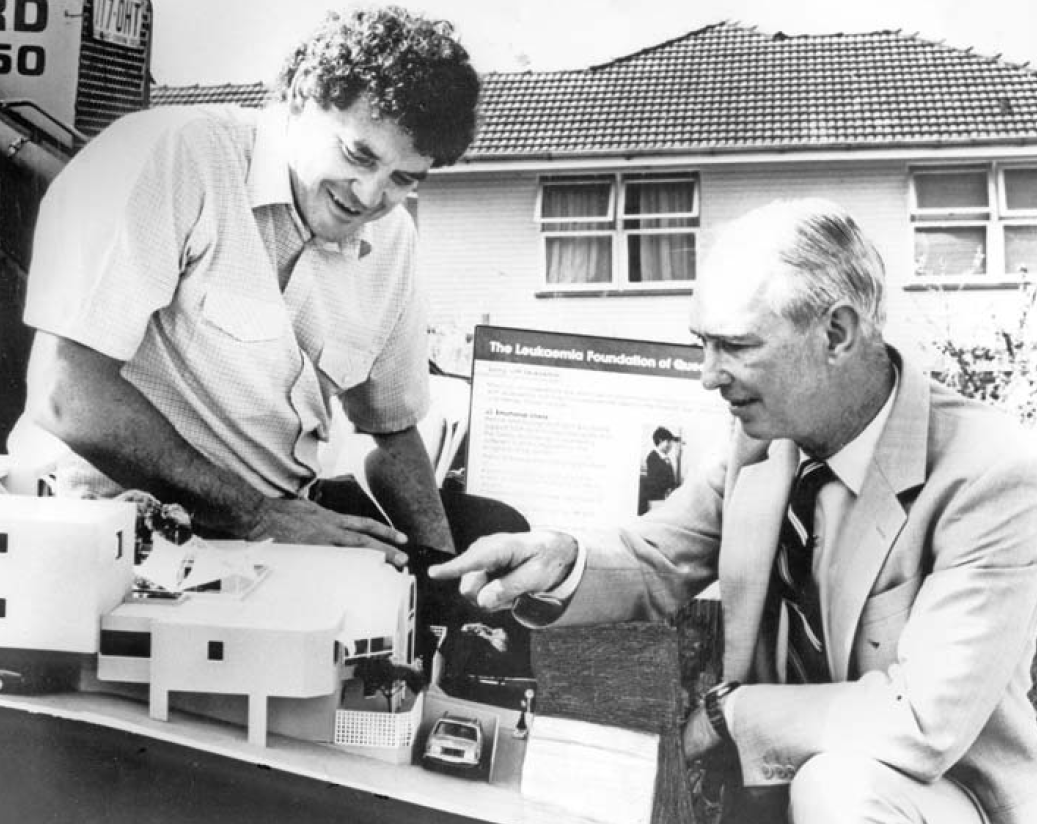
With demand growing, the Leukaemia Foundation purchases land in Herston, Queensland, and establishes its first purpose-built patient accommodation complex for people travelling to receive treatment.
May 1987
New stem cell unit
After years of tireless campaigning and fundraising, the Leukaemia Foundation realises its dream and Queensland’s first bone marrow transplant unit opens at the Royal Brisbane Hospital.
1990s
The hunt for a cure accelerates
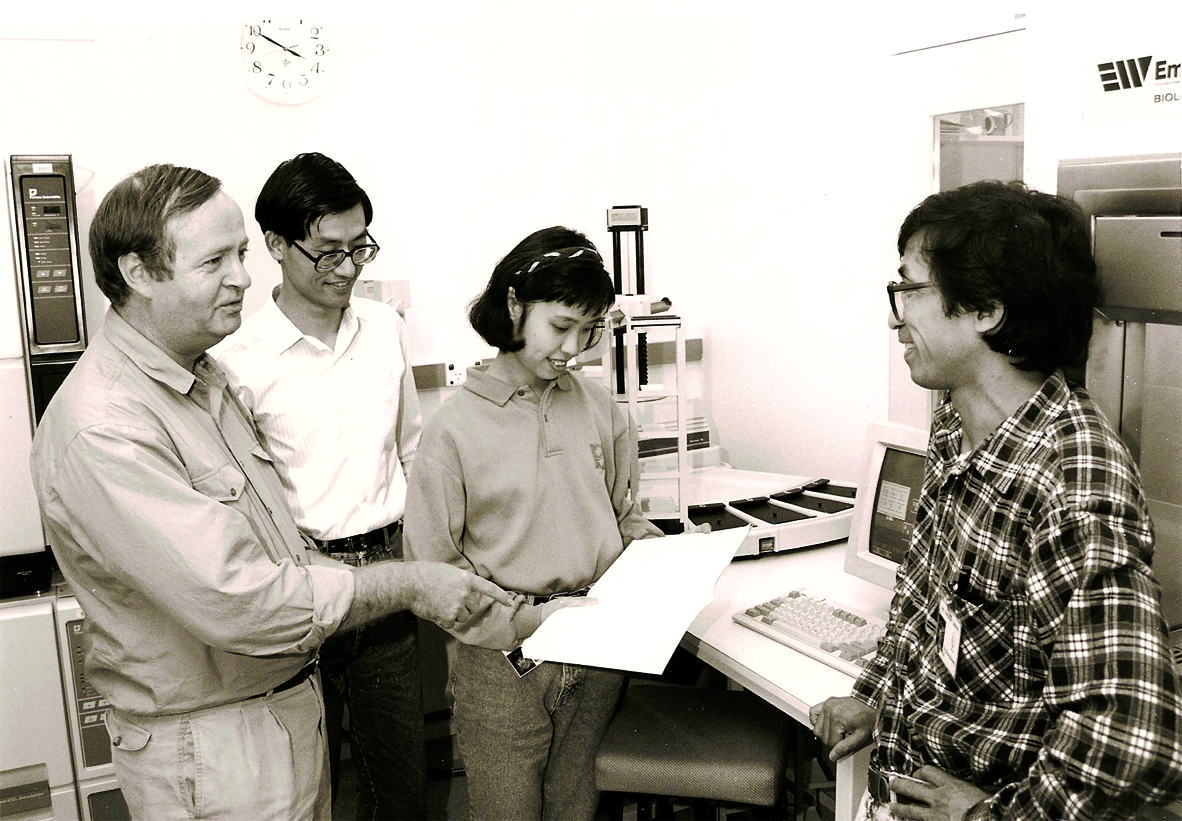
The Leukaemia Foundation of Queensland ushers in a new decade and opens its $2.5 million Daikyo Research Unit under the leadership of its first Professor of Experimental Haematology, Dr Greg Johnson. It was the culmination of a dream that first transpired 16 years earlier when the foundation was established.
“I believe we will have to continue our fight and our commitment until a cure for this dreadful disease is guaranteed. This cannot occur unless we continue to ask questions of areas where we do not yet have answers.”
Nationwide impact
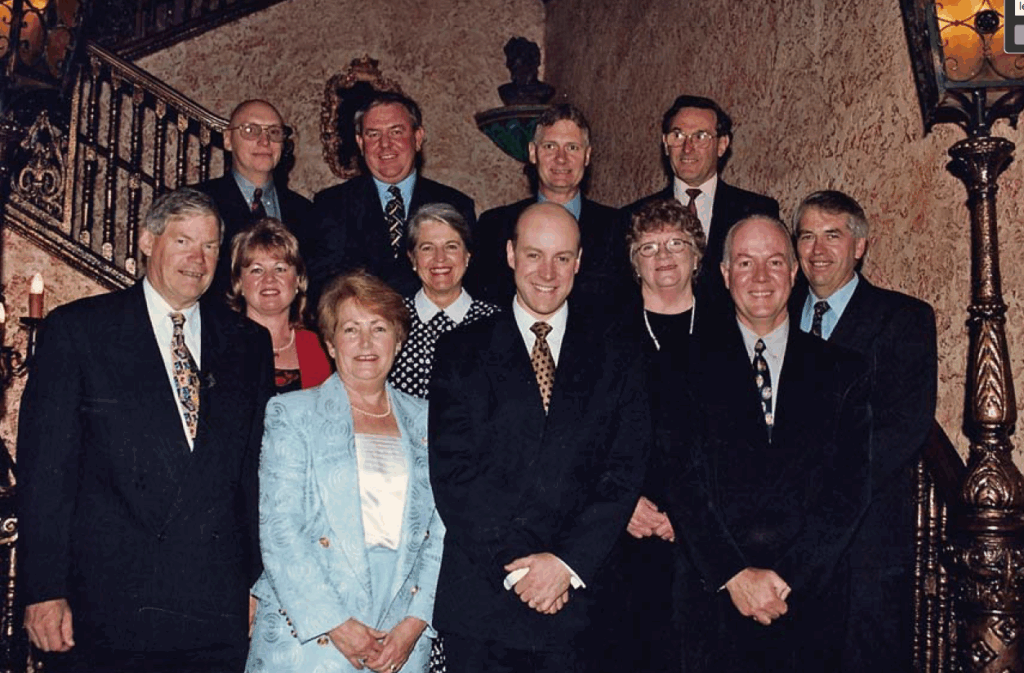
The Leukaemia Foundation begins to expand nationally, starting a network of charities in Western Australia, New South Wales, South Australia, Victoria and Tasmania, all under the name Leukaemia Foundation of Australia, outside of Queensland.
Getting patients to treatment
To help patients get to and from treatment, the Leukaemia Foundation expands with a dedicated transport service, operating a rapidly growing number of vehicles. These were often driven by passionate volunteers.
1995
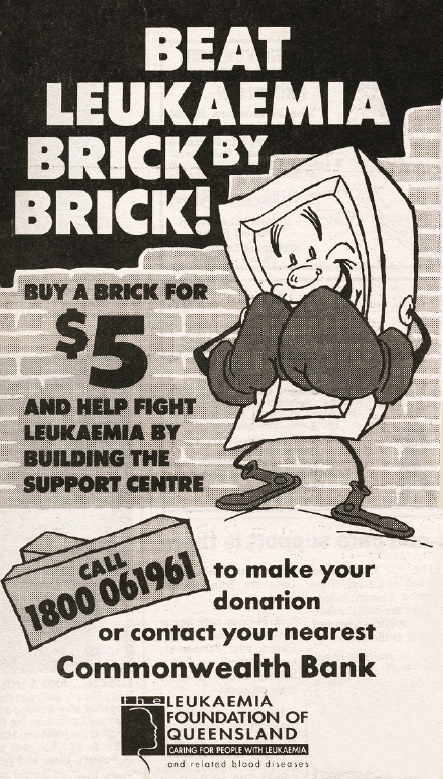
Brick by brick
The first influx of blood cancer patients is received at the Leukaemia Foundation’s new purpose-built ESA Village accommodation centre in Dutton Park, Brisbane. It was built in response to a growing accommodation crisis and alarming occupancy rates at the charity’s existing facilities.
1998
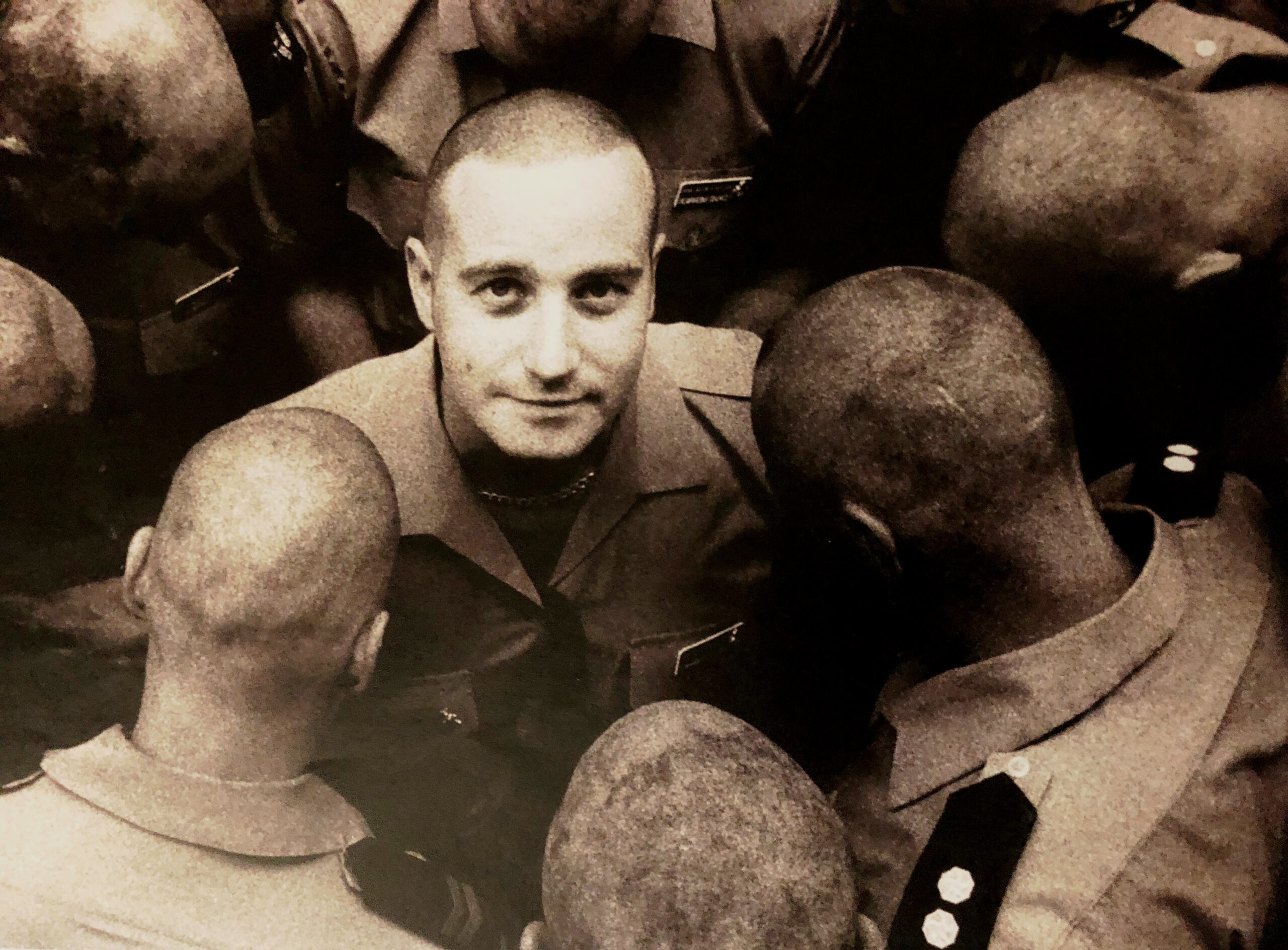
The World’s Greatest Shave launches
The Leukaemia Foundation’s flagship fundraising event was born, an event that has since gone on to raise more than $300m for blood cancer care.
2000s
Curing tomorrow
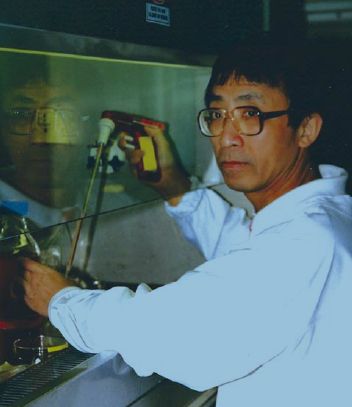
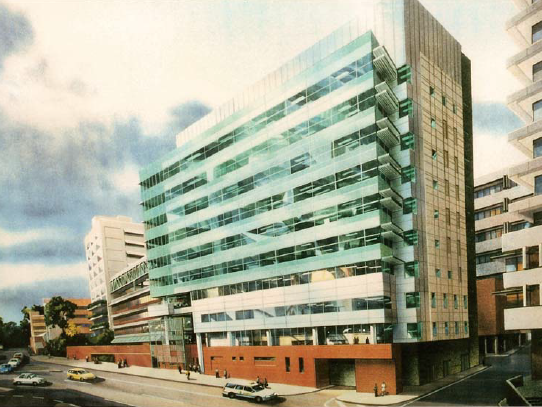
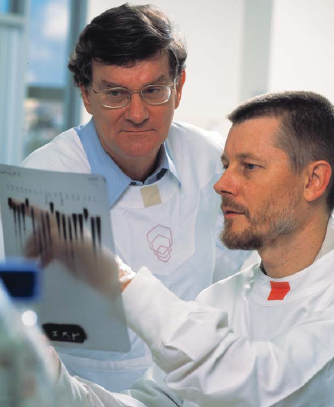
The Leukaemia Foundation Research Unit relocates to the Comprehensive Cancer Research Centre and expands its team to almost 30 scientists.
“We do save lives and, both as a doctor and a scientist, that is very gratifying to see”
2002
Extending accommodation impact
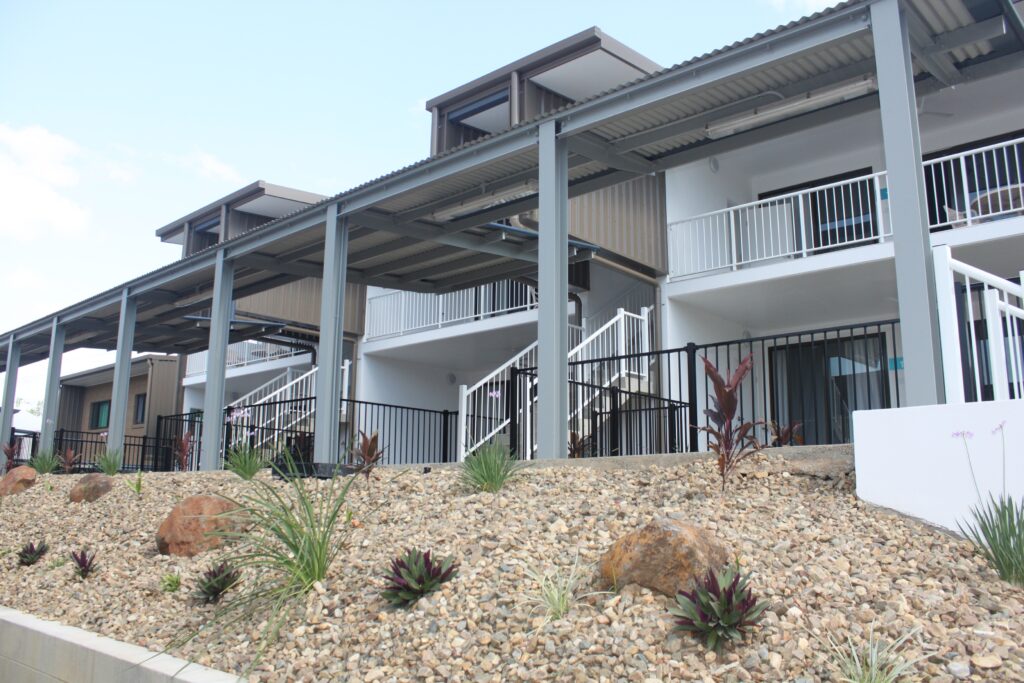
The organisation continues to open more life-changing accommodation centres. In 2002 it expands its services outside Brisbane and opens the Queensland Freemasons Village in Townsville to support patients in the state’s far north.
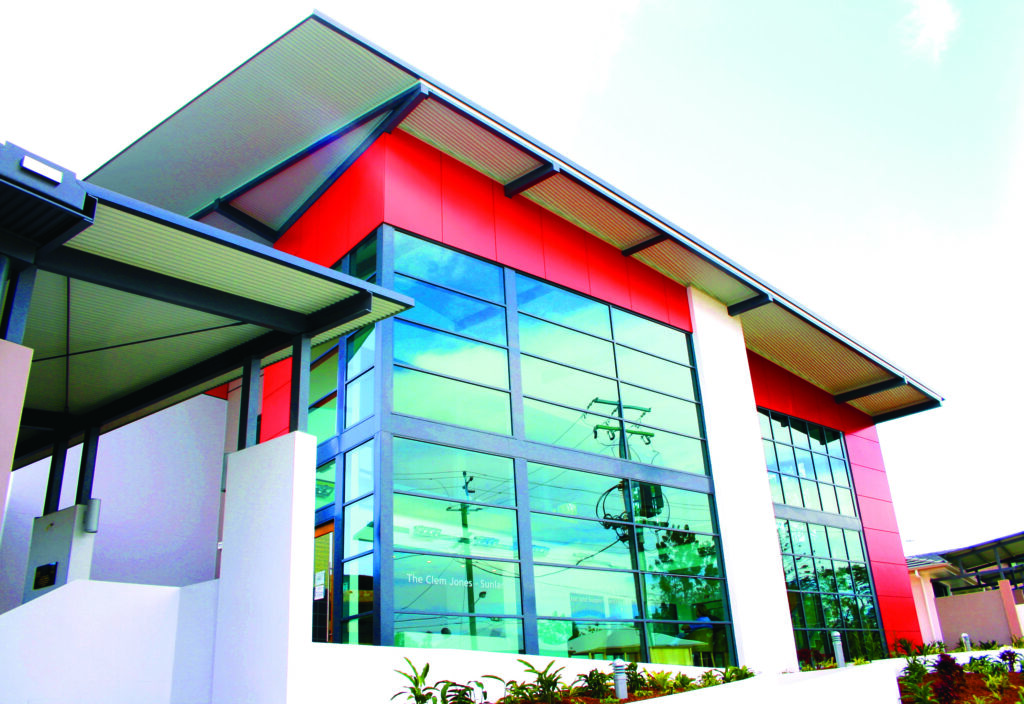
A third Brisbane accommodation and support centre is constructed in Coopers Plains. By 2025, the Leukaemia Foundation has 10 centres open across the country.
2015
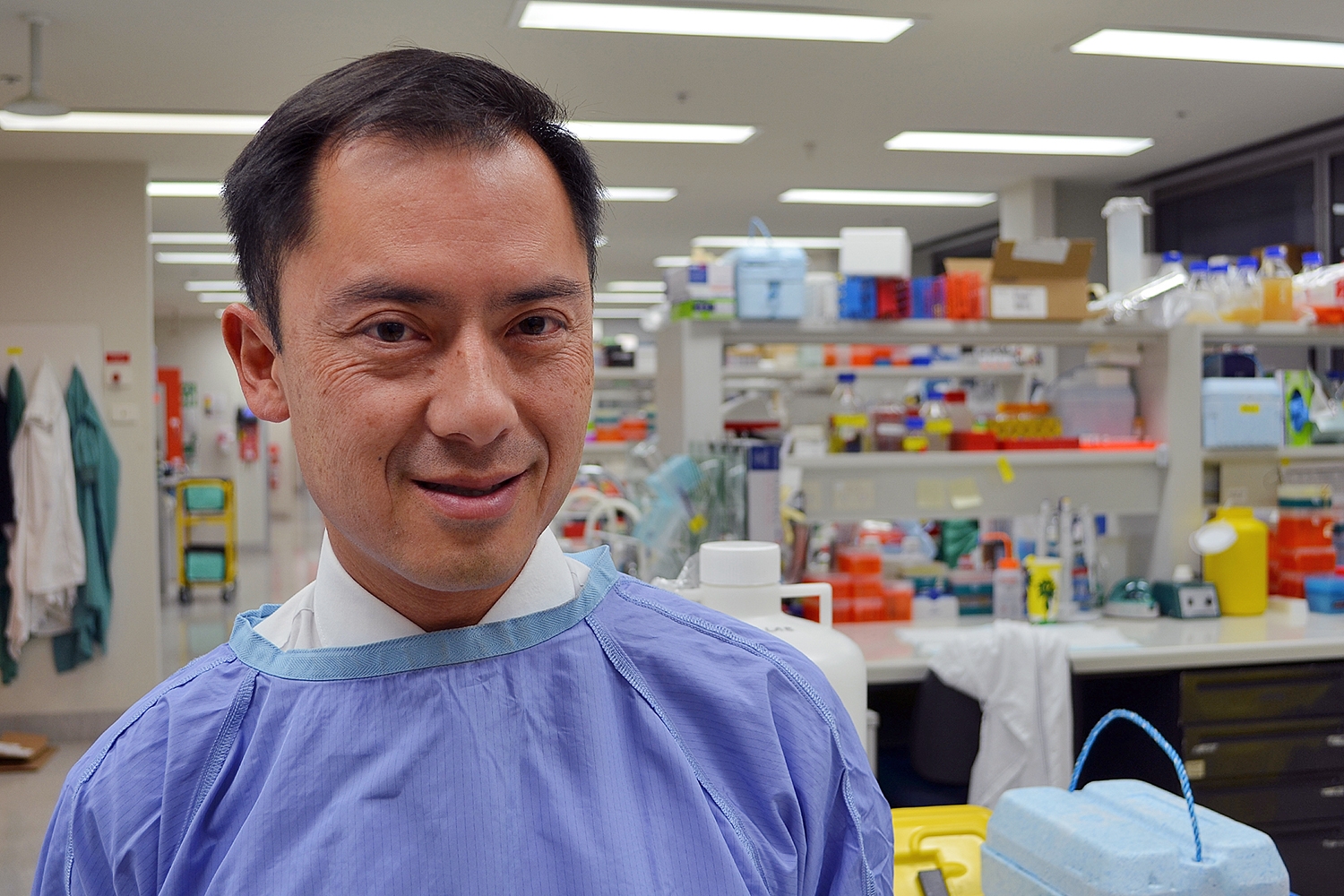
Trials Enabling Program
Australians with blood cancer could take part in international clinical trials, without leaving Australia. In partnership with the Australasian Leukaemia and Lymphoma Group, the Leukaemia Foundation helped provide access to new drugs and technologies that weren’t previously unavailable to some patients.
2017
Federation
The state-based Leukaemia Foundation charities federate for even greater impact and became a single entity with a united voice.
2019
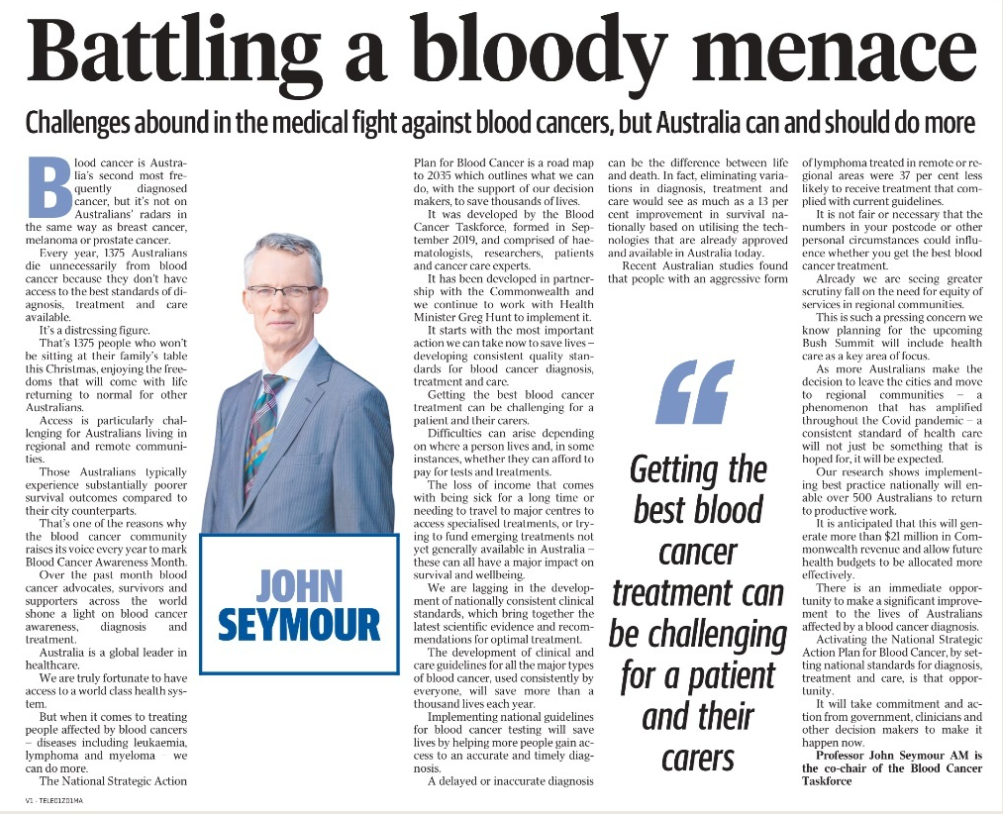
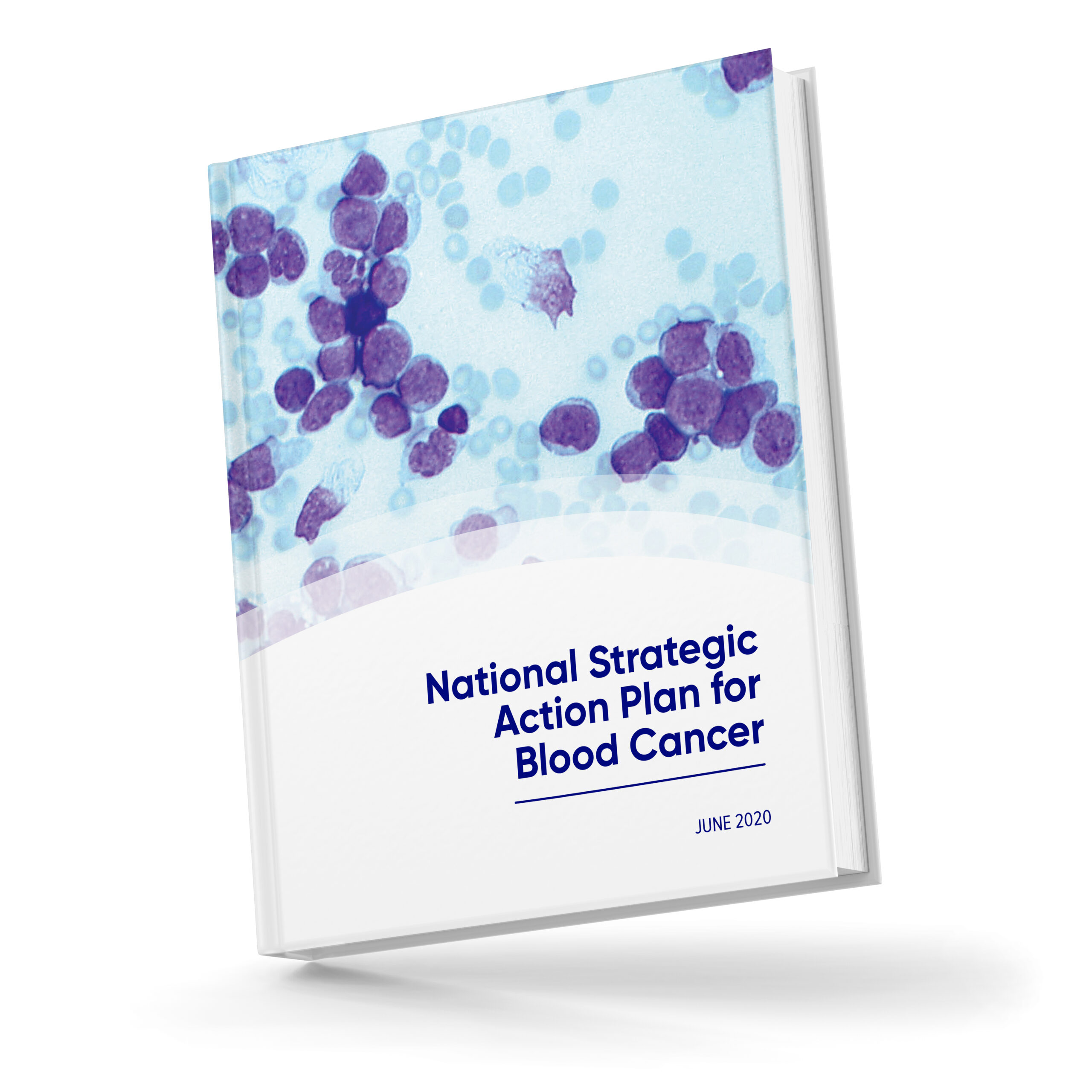
Taskforce provides blood cancer blueprint
The Leukaemia Foundation establishes Australia’s first Blood Cancer Taskforce and co-chairs the committee tackling the key issues of blood cancer.
September 2020
New national action plan
Dr Peter Roeser is awarded a $2000 research grant by the Lions Leukaemia Foundation to investigate the long-term side effects of drugs used to treat leukaemia.
December 2021
Breakthrough drug listed
The life-saving Venetoclax drug is listed on the Pharmaceutical Benefits Scheme. The Leukaemia Foundation helped fund its development in 2010 and 2012 and advocated for its listing.
2024
New horizons
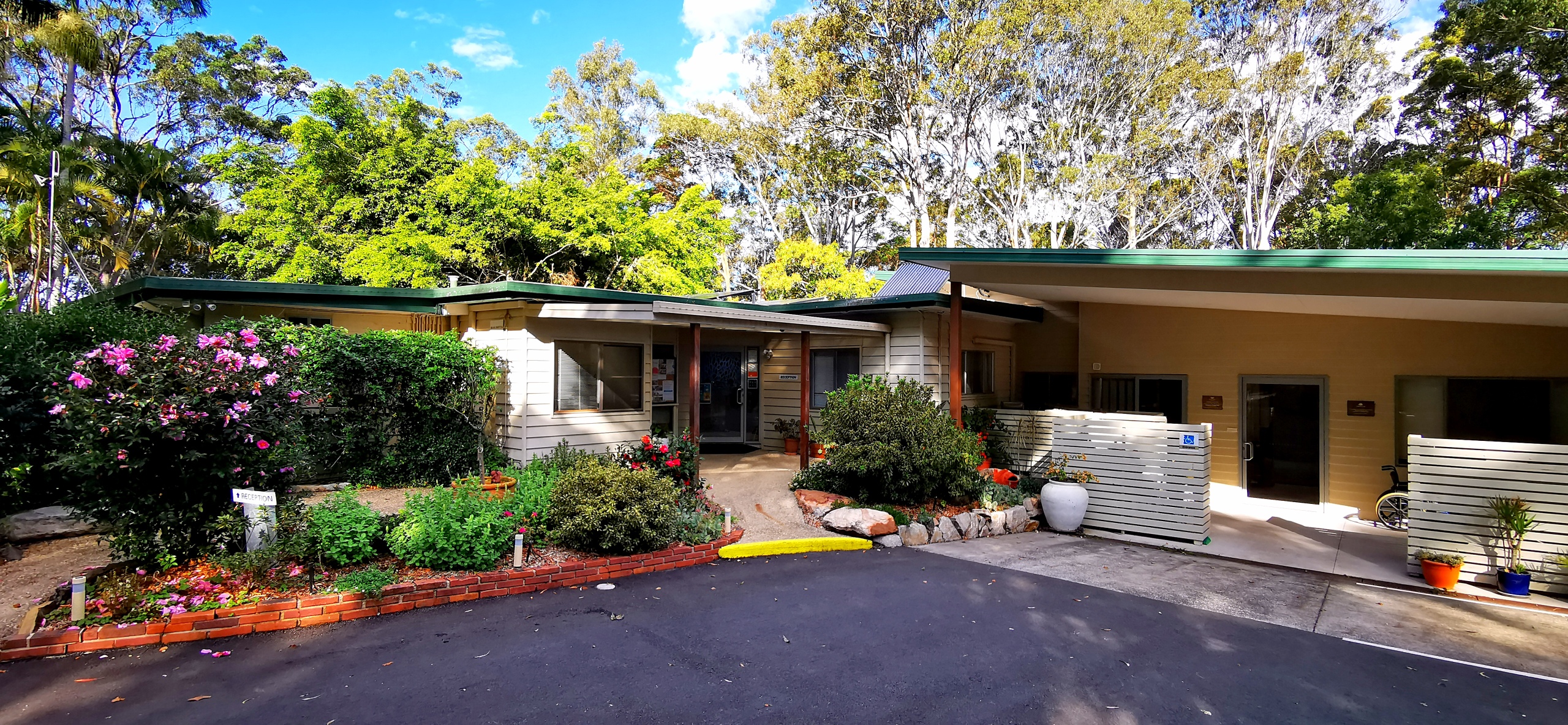
The Leukaemia Foundation amalgamates with the Bloomhill Cancer Care charity on the Sunshine Coast, forming a new alliance delivering life-changing cancer care.
2025
Writing the next chapter of cancer care
The Leukaemia Foundation marks its 50th anniversary and launches a bold new strategy that will deliver faster, smarter and closer cancer care, in partnership with the blood cancer community, to support a growing number of cancer survivors.