A shock diagnosis of lymphoma at 21 meant Alex Wilson was suddenly faced with big decisions about his life and even his fertility. A practical, step-by-step approach and strong support from loved ones helped him navigate his blood cancer journey. Twenty years later, Alex faced cancer again and felt better equipped to advocate for himself within the healthcare system.
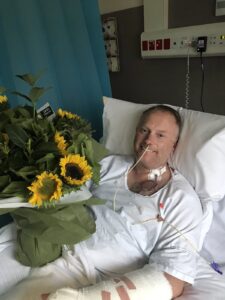
Alex was in his second year of university and planning a backpacking adventure when he found a lump on his neck and decided to get it checked.
“The GP felt my neck and asked, ‘Have you lost weight recently? Are you tired? Have you had itchy skin?’” Alex recalls.
“I answered yes to each of those questions and he immediately sent me to hospital to get blood tests and scans.”
Within 24 hours, Alex was diagnosed with stage three Hodgkin lymphoma. The blood cancer was in his spleen and lymph nodes, and he had a large mass in his chest.
Four days later he was faced with a big decision.
“I had to see a fertility specialist and was asked, ‘Are you going to get a semen sample frozen? We want a donation before you have chemo because we don’t know if it will impact your fertility’.”
It was a lot to take in, but Alex felt reassured when his oncologist said his blood cancer type was very treatable with a good success rate. He also did a lot of his own research, including a visit to the Leukaemia Foundation website, to learn more about his cancer treatment.
Thanks to generous community support, the Leukaemia Foundation offers trusted, up-to-date information on its website to help people like Alex make sense of their diagnosis.
Alex was unsure how treatment would affect his studies and employment. He also worried about how to tell his friends and family.
“I didn’t want people finding out second-hand or through a rumour,” he says. “I wanted to tell all the important people in my life and give them that respect.”
“When people hear the C-word, they jump straight to thoughts of, ‘Alex is probably going to die,’ That’s what people associate with cancer. I was very keen people didn’t jump to that, and to be clear this is just step one of 400.”
Navigating a new world: the healthcare system
Alex embarked on a steep learning curve as he navigated referrals, treatments, specialities and costs. Along the way, he discovered information wasn’t automatically shared across his care team. Each specialist treated different conditions and didn’t always speak to each other or share scans or test results.
Alex also developed strategies to manage his appointments and reduce feelings of overwhelm:
- Take a notepad and pen
“In the moment, it’s busy, scary and emotional,” Alex says. “Taking a notepad and pen is a really good administrative tip because of the amount of information that’s coming out.” - Take someone with you
“Taking someone with you is really important because what you hear as a patient might not be what the doctor is actually saying.” - Prepare your questions beforehand
“You don’t have a lot of time to sit there and have long discussions with questions and so on. It’s important to use your time wisely in those appointments,” he says.
Our Leukaemia Foundation healthcare professionals provide practical support including transport, accommodation and financial assistance to help people navigate life with blood cancer. Find out more.
Anxiety, panic attacks and nausea
Alex needed six months of chemotherapy, followed by six weeks of radiation therapy. Unfortunately, an anti-nausea drug triggered a panic attack during his third round of chemotherapy.
“There was a really powerful association for my brain between that situation and in subsequent sessions when I’d go for my chemo,” Alex recalls.
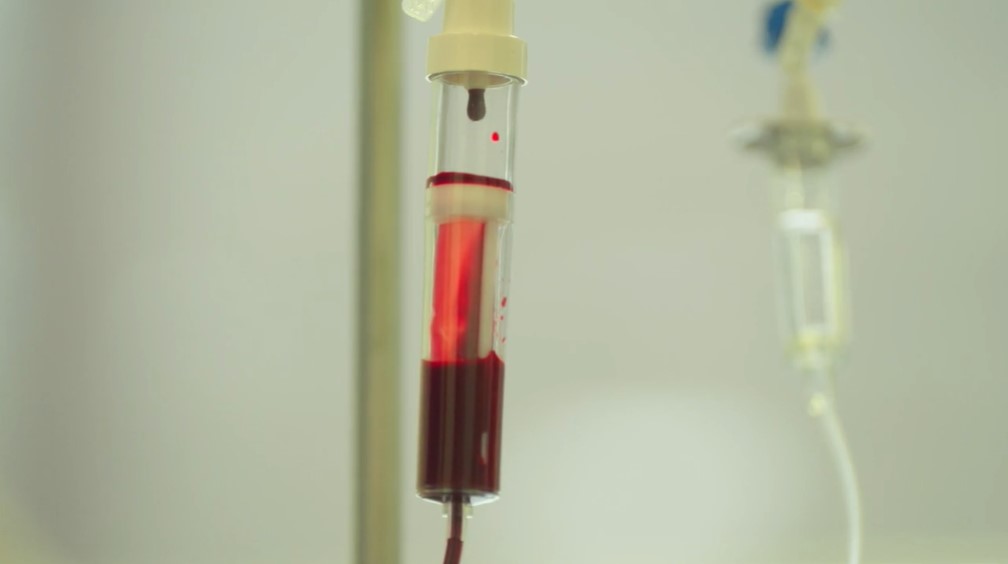
“I’d be extremely anxious in the morning. We’d drive into the hospital car park and I would vomit. Once I got into the foyer, I would smell the hospital smell and would vomit. For the sessions themselves, I would be vomiting the entire time for about eight or nine hours straight. My veins also stopped cooperating so it would sometimes take seven, eight or nine attempts to find a vein which, obviously, made me more distressed and anxious.”
“If I saw a cannula or a drip on TV, I’d vomit. I did see a psychologist at that stage to try and help with the anxiety, but it just didn’t help. The doctors prescribed some medication to help, but the brain just overrode all of that. So the actual chemo sessions themselves were very, very upsetting.”
Learn how our emotional support services help people throughout their blood cancer experience.
After his sixth round of chemotherapy, Alex received good news – the cancer was gone from his system. Although he would need another five months of treatment, Alex felt his recovery had begun.
Alex continued his social and work commitments throughout his treatment, but cancer placed one of his goals on hold: to join the military.
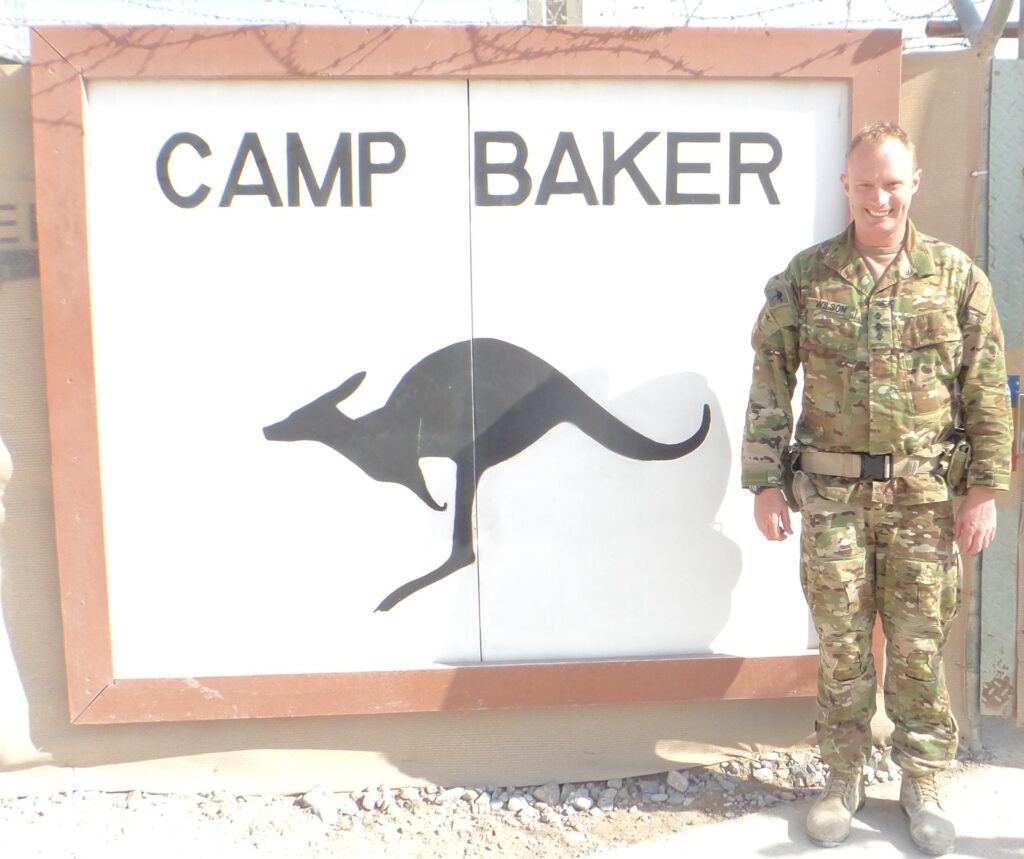
Five years after completing treatment, Alex successfully achieved his goal and became an army intelligence officer.
Cancer, the second time around
In 2024, Alex developed a painful ulcer on his tongue and his GP recommended a ‘wait and see’ approach.
Two weeks later, there was no change.
Although he wasn’t at high risk for tongue cancer – he was fairly young, a non-smoker and didn’t drink a lot – Alex wanted tests conducted.
“I told the GP, ‘It’s really painful, I don’t mind what happens from here, but sending me away is not something I’m prepared to accept. You’re going to have to do something,” he recalls.
The first time Alex learned he had cancer, he was 21 and sitting in a consultation room with his GP. This time he was 41, sitting in his car and told over the phone. Biopsy results had identified the ulcer was a squamous cell carcinoma.
“The image is you’re in the specialist’s room, he’s got the big desk and it’s all very formal and sombre, and that’s how you find out you’ve got cancer. But often that’s not the case,” Alex says.
“The second time, I had to drive to hospital that day. But there was no check about, ‘Should Alex be driving to the hospital by himself given he’s just been diagnosed with cancer?’ Even after I left the GP surgery the first time around, no one asked, ‘Who are you going home to?’”
“For me, it wasn’t an issue. But I think for other people it certainly can be.”
Feeling empowered to ask more questions
The new cancer diagnosis brought up a range of emotions.

“It was less shock and more of a roll of the eyes and thinking, ‘not again’,” Alex says. “It’s certainly much less scary second time around.”
“I went for a PET [positron emission tomography] scan and being back in the room with a cannula inserted was upsetting. I was upset at having to be back and angry too.”
This time, Alex felt empowered to ask his healthcare team a lot more questions. But he still found tests and results often weren’t shared across specialities.
“You need to be proactively engaged to make sure everyone in your healthcare bubble is seeing what everyone else is,” he says.
Many people assume cancer is always treated by oncologists, but this wasn’t the case for Alex’s tongue cancer.
Highly skilled head and neck surgeons would lead his treatment and consult with oncologists when reviewing his case. He wouldn’t require radiation or chemotherapy, or meet with an oncologist at any stage.
Alex’s 12-hour surgery was scheduled for seven days after his diagnosis.
Family, friends and rostered support
Although his family and friends were ready to provide support, Alex found this hard to accept.
“I’m a super independent guy so it can be tricky for my family and friends to know when it’s too much or too little. I also find that difficult. Generally, I like to do things myself,” Alex says.
He asked his sister to coordinate his health updates and create a care roster. This meant everyone was kept updated and Alex didn’t have to send multiple messages when there was a change. His family could also be involved in his care and provide support when he needed it most.
“I was very confident and assertive in doing that, but I also didn’t want to reject the love and warmth from my family. Everyone wants to help and that comes from a place of love, but it can be a bit overwhelming sometimes.”
Learn more about providing support for people you love during their cancer journey.
On the remission road again
Alex’s surgery was a success, but he continues experiencing side effects as a result of both cancers and associated treatments. He will need medication for the rest of his life to manage reflux and indigestion, has permanently lost 50% of his taste and struggles with fatigue.
“I have significant scars on my arm where the tissue graft was taken to reconstruct my tongue, and a very large scar on my neck where they removed my lymph nodes,” Alex says. “They don’t bother me though, they tell my story.”
Learn about support and resources available for people after cancer treatment.
Alex received the all-clear from doctors in July 2024 and immediately set off on his next adventure – travelling around Australia in a caravan. So far, he’s covered 34,000km and is about to start travelling from Perth back to the east coast, where he will resume normal life.
This article shares personal experiences and general information. For tailored advice, please consult a healthcare professional.
Listen to the full interview with Alex Wilson on our Talking Blood Cancer Podcast.