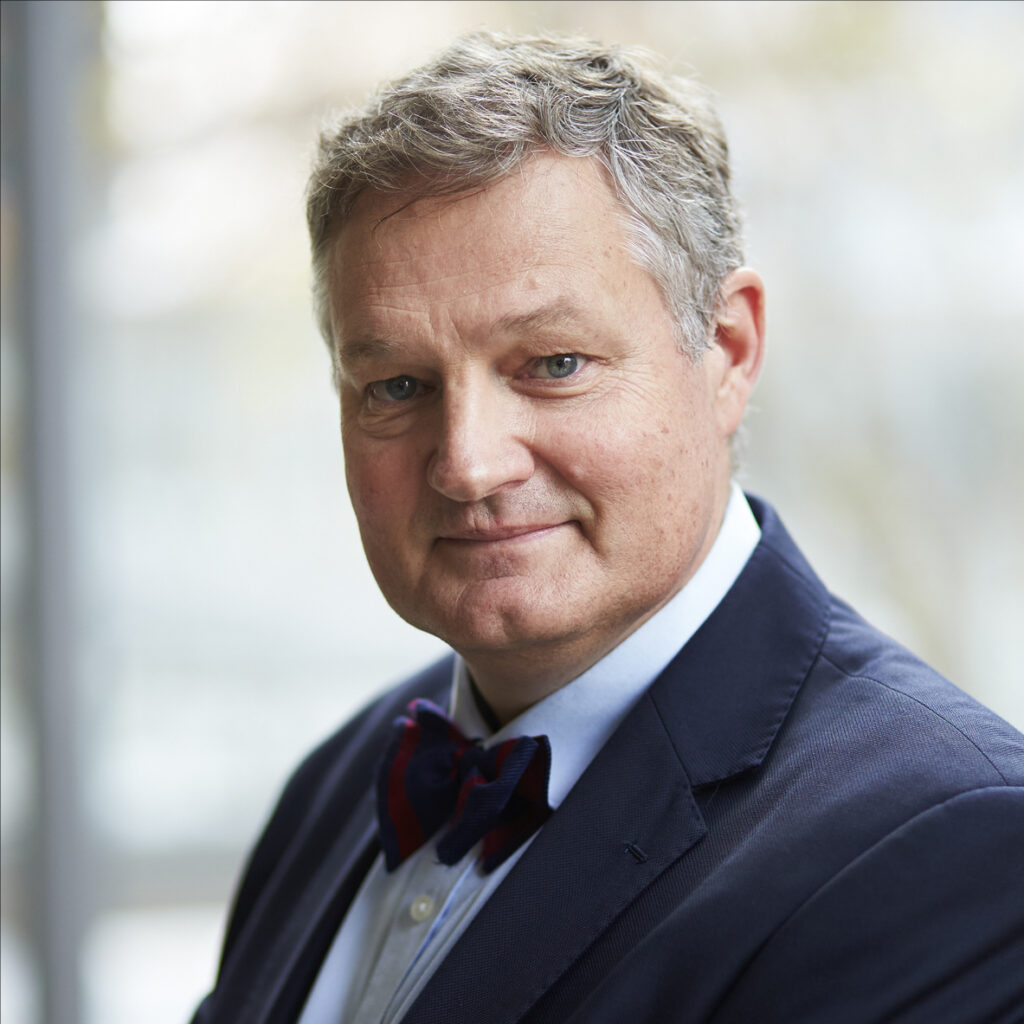
As significant progress was made in blood cancer research, Professor David Joske became concerned a decreasing focus on the ‘patient experience’ meant the humanity in healthcare was being left behind.
Dr Joske has dedicated 20 years to humanising the treatment journey for Australians with blood cancer.
It began with his observation as a young consultant in the mid-90s at Sir Charles Gairdner Hospital (Perth) that “we were making a meal of this business of managing people with cancer”.
“I witnessed a lot of distress with delays with appointments and poor communication,” he said.
“My colleagues and those in nursing felt we were getting less and less time with our patients. We couldn’t express that we cared for them… we tended to make people feel they were on a production line.
“I have pretty much dedicated my whole professional life since then to trying to find ways to improve the cancer journey.”
A chance comment from a patient in 1998 prompted Dr Joske to challenge the status quo; to embrace a more personal, open-minded approach to care.
“A lot of my patients were trying complementary and alternative therapies but felt they couldn’t discuss them with their medical team,” explained Dr Joske.
“This wasn’t acceptable and created a barrier between me and my patients. I needed to become a doctor who showed an open mind on this.”
Reading up on an area traditionally rejected by modern medicine, Dr Joske found more evidence than he expected in the field of complementary therapies.
Not complementary medicines (herbs and supplements) which Dr Joske believes are “best avoided in mainstream treatment” but diet, stress and exercise, which he said are “terribly important”.
Developing a new approach to mainstream care
The chance came to develop and introduce a new approach to mainstream care with the opening in 2001 of the Cancer Support Centre at Sir Charles Gairdner Hospital with:
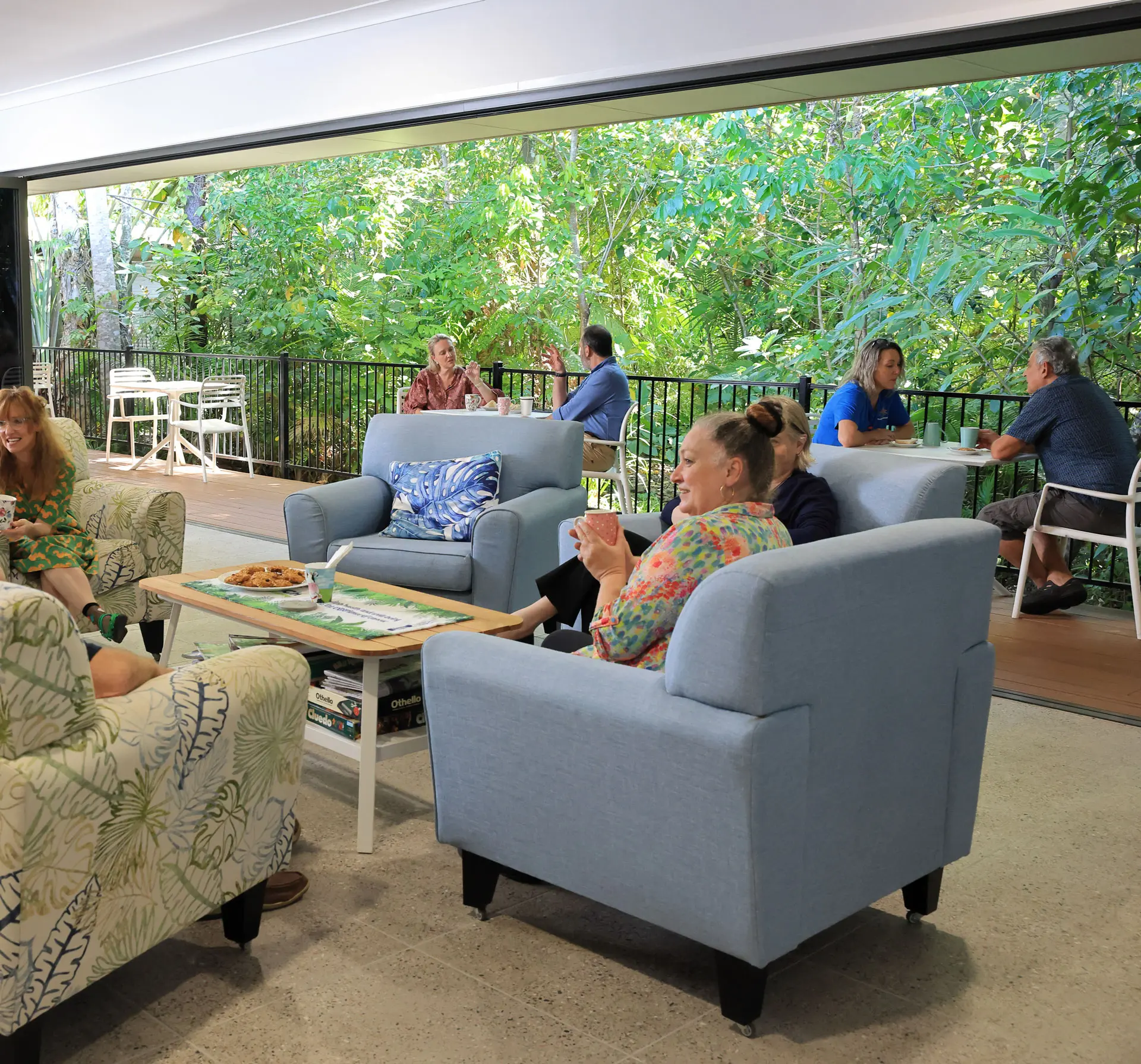
- A quiet meeting place where volunteers from all walks of life assist with patient queries.
- Information and resources for patients on support services, like those provided by the Leukaemia Foundation.
- A range of safe and supervised complementary therapies, “that major medicine had rejected for thousands of years”, including acupuncture, yoga, music therapy, massage, reflexology, aromatherapy, Qigong, craniological massage and hands-off massage techniques.
The therapies were not only offered to patients, the effects were measured because there was a lot of push back and scepticism.
“The best answer was to gather as much evidence as possible,” said Dr Joske.
“Even the most sceptical general practitioners will respond to good quality evidence if you can provide it.”
There is a huge demand for these complimentary services. The centre sees 100-150 people each week and as it grew and research progressed, it became Solaris Cancer Care in 2006, then the Cancer Support Association with an off-health campus facility where the focus is on survivorship initiatives.
Traditional treatments remain essential
While Dr Joske is a big advocate for complementary therapies, he acknowledges that traditional treatments like chemotherapy are an essential part of a patient’s treatment journey.
“I regard chemotherapy, which is still the main part of most people’s initial treatment, as an investment, like a bank loan,” he said.
“It’s a long-term investment and you make the investment in terms of the short-term costs; feeling crappy, needles, drips, blood tests, and all the visits to hospital.
“But the return on investment can be life itself… so the short-term all-in cost on the immune system is well worth it.”
Dr Joske said the key to surviving and thriving through a diagnosis is the patient realising they have the right to manage their cancer in a way that is best for them.
Lifestyle management of cancer
“As I’ve matured as a consultant with the grey hair, I’ve come to see this topic as the lifestyle management of your cancer. I talk to people under my care with a very open mind on what they want to try,” said Dr Joske.
“We’re going to improve cure and remission rates, but there’s always that personal experience: the worst day of your life where you’re told you have cancer.
“You have to get your head around your life changing forever, then come up with how you’re going to manage your situation.”
The right exercise prescription
Dr Joske’s most important advice is to exercise.
“In the bad old days we told cancer patients when they felt tired during treatment, they needed to rest. Turns out that was not good advice,” he said.
“Then we went through a phase of telling people to go on walks. Turned out that wasn’t going to cut the mustard either.
“What’s needed is some resistance exercise as well, because cancer drugs and steroids tend to dissolve muscle and the only way to get muscle back or to maintain it is to use it,” explained Dr Joske.
“I’ve had patients several years out from their chemotherapy who still feel exhausted. Then, when you give them the right exercise prescription with some light weights and a gym program, within 4-6 weeks they start feeling like their old selves again.”
Watch the below video of Professor David Joske’s presentation on Humanity in Healthcare at the Leukaemia Foundation’s National Blood Cancer Conference (Melbourne, September 2018):