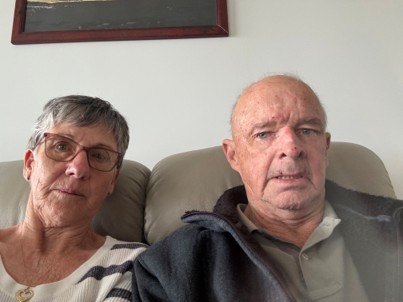
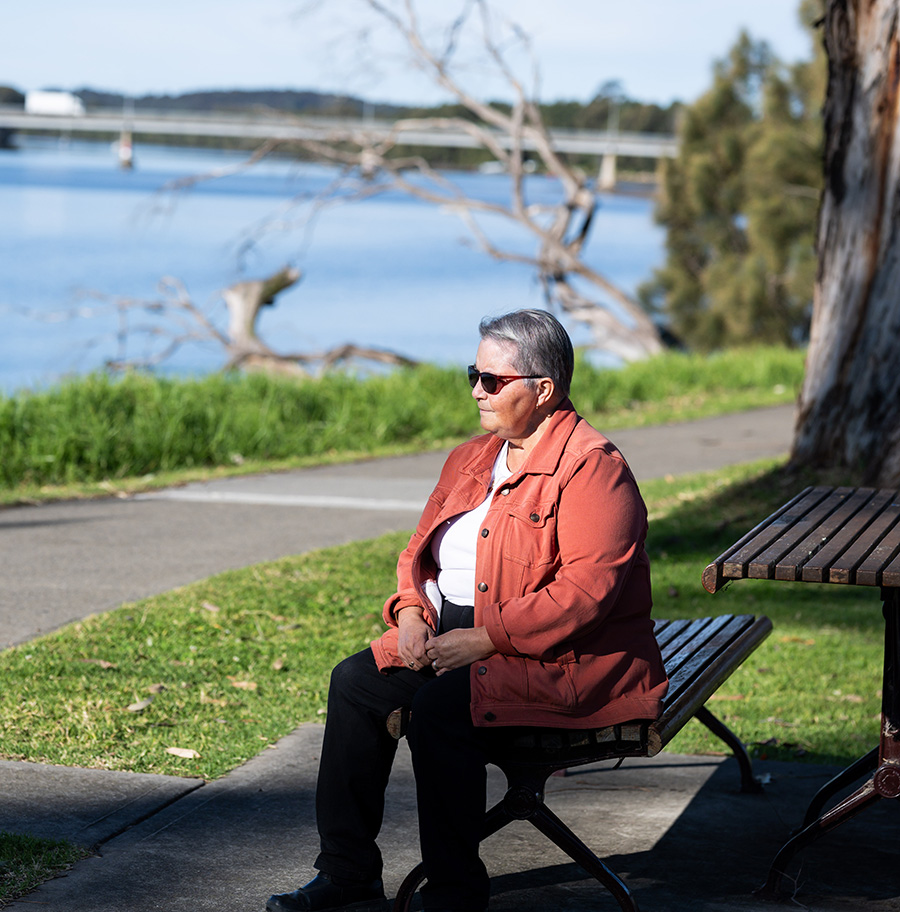
Cast your mind back to 2019, and life pre-COVID. For 56-year-old Peter D’Onghia, that meant a relentless travel schedule with his job as an academic and medical journal publisher – something that led to a delay in following up on blood test results that were, as he puts it, “a little bit odd”.

Brushing off extreme fatigue as a side-effect of his busy lifestyle, it took another six months and an emergency hospital admission for another issue for Peter to finally be diagnosed with hairy-cell leukaemia – a rare type of blood cancer in which in which bone marrow makes too many B cells, which look “hairy” under a microscope.
“I was shocked,” recalls Peter. “The doctor said, “It’s leukaemia, but not the worst kind” – but when you hear the word ‘leukaemia’, the rest’s irrelevant. Now I’ve gone through it, I know it’s not the death sentence everyone thinks it is, but back then that’s what I thought.”
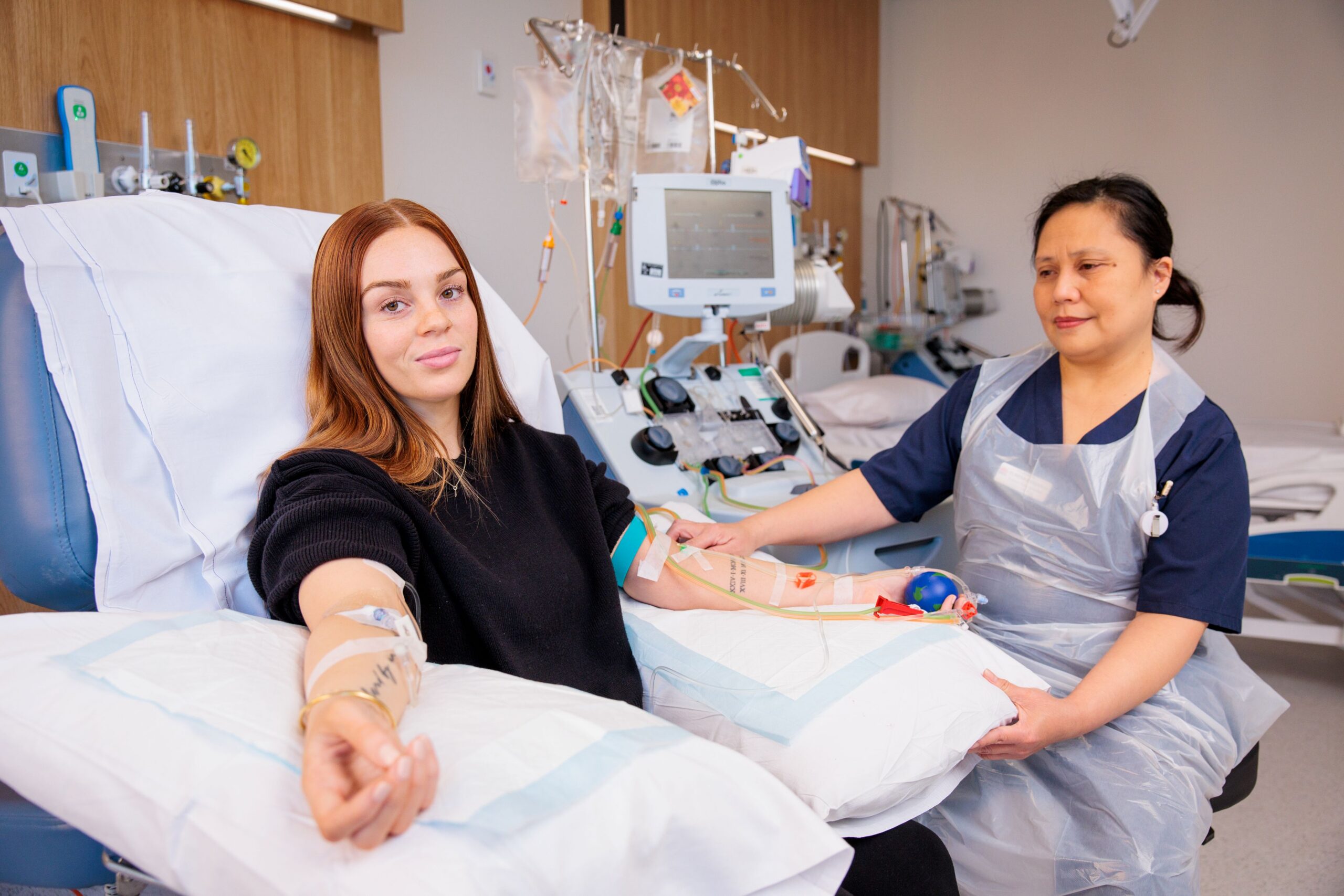
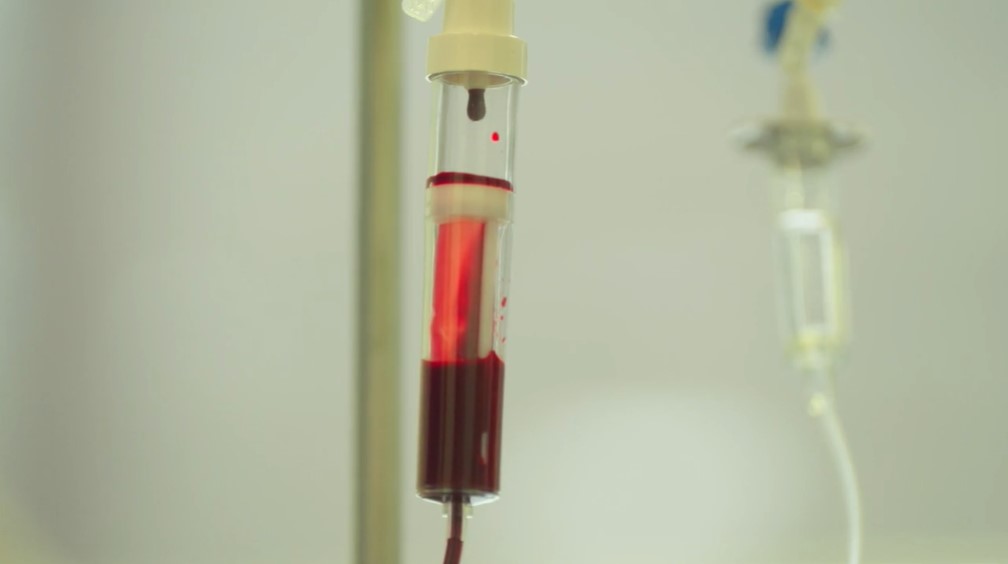
Prescribed chemotherapy and immunotherapy, Peter juggled work with treatment – battling brain fog and fatigue to retain a vital sense of normality. In a year that saw Peter’s family deal with multiple bereavements and a global pandemic alongside his cancer treatment, 2020 ended with the news that Peter was entirely in remission – a point that marked the beginning of a slow return to health.
I think there’s a misunderstanding about chemo and cancer treatment – people think you have your chemo and reach remission and you’re better,” says Peter. “In reality, it’s often years before people feel restored to their previous life – recovery can be very, very slow.
For Peter, having a rare type of blood cancer led to him searching online for relevant information. “There are websites and organizations that can help, and a hairy cell foundation in the US that has quite a bit of information. I also joined groups on Facebook, and whilst I was very passive and didn’t write much, it was good just to hear other people’s experiences and think, “Okay, it’s not just me.”
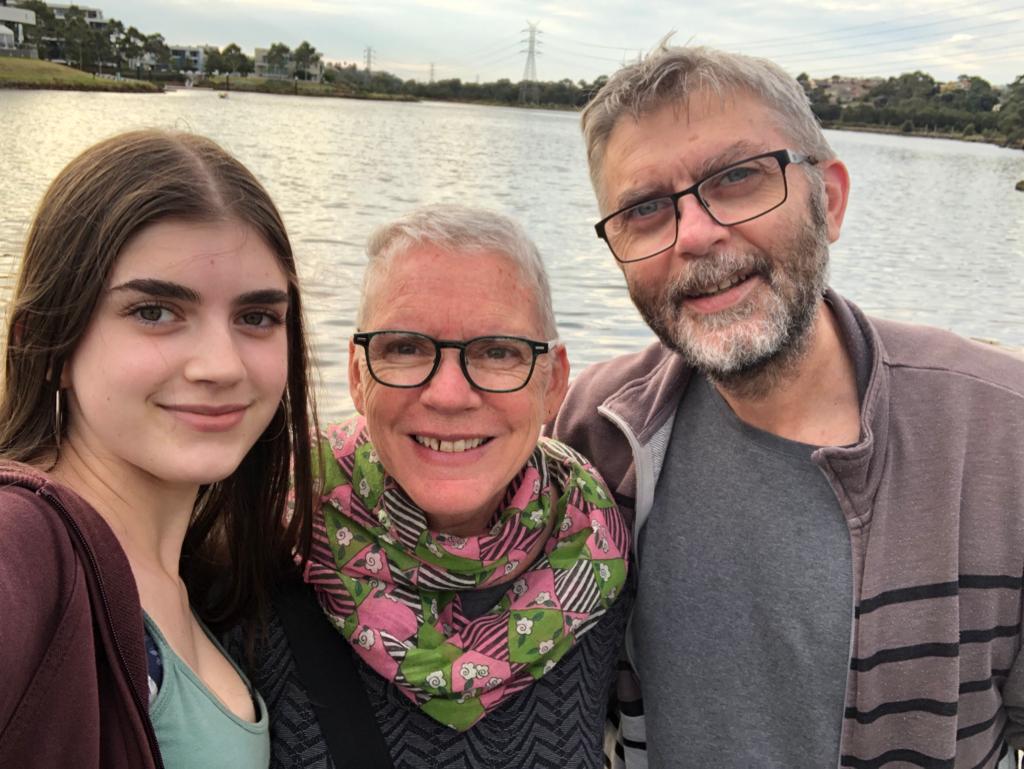
Informed by doctors that many people diagnosed with hairy cell leukaemia will experience a relapse, Peter nonetheless has a positive outlook and a renewed sense of priorities.
“Doctors tell me it will come back, but it might be next year or it could be in ten years’ time – and that’s fine, because I’m optimistic that, in a decade, the treatment will be even better… When something like this happens, you look at your family and think – “that’s what’s really important”. I know that’s a cliche, but it’s true.”