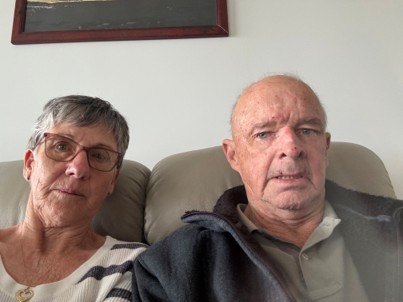
“COVID’s been good to me and quite a few other patients”, says Andrew Warden, who volunteered to be a “guinea pig” on a program initiated by Professor Judith Trotman.

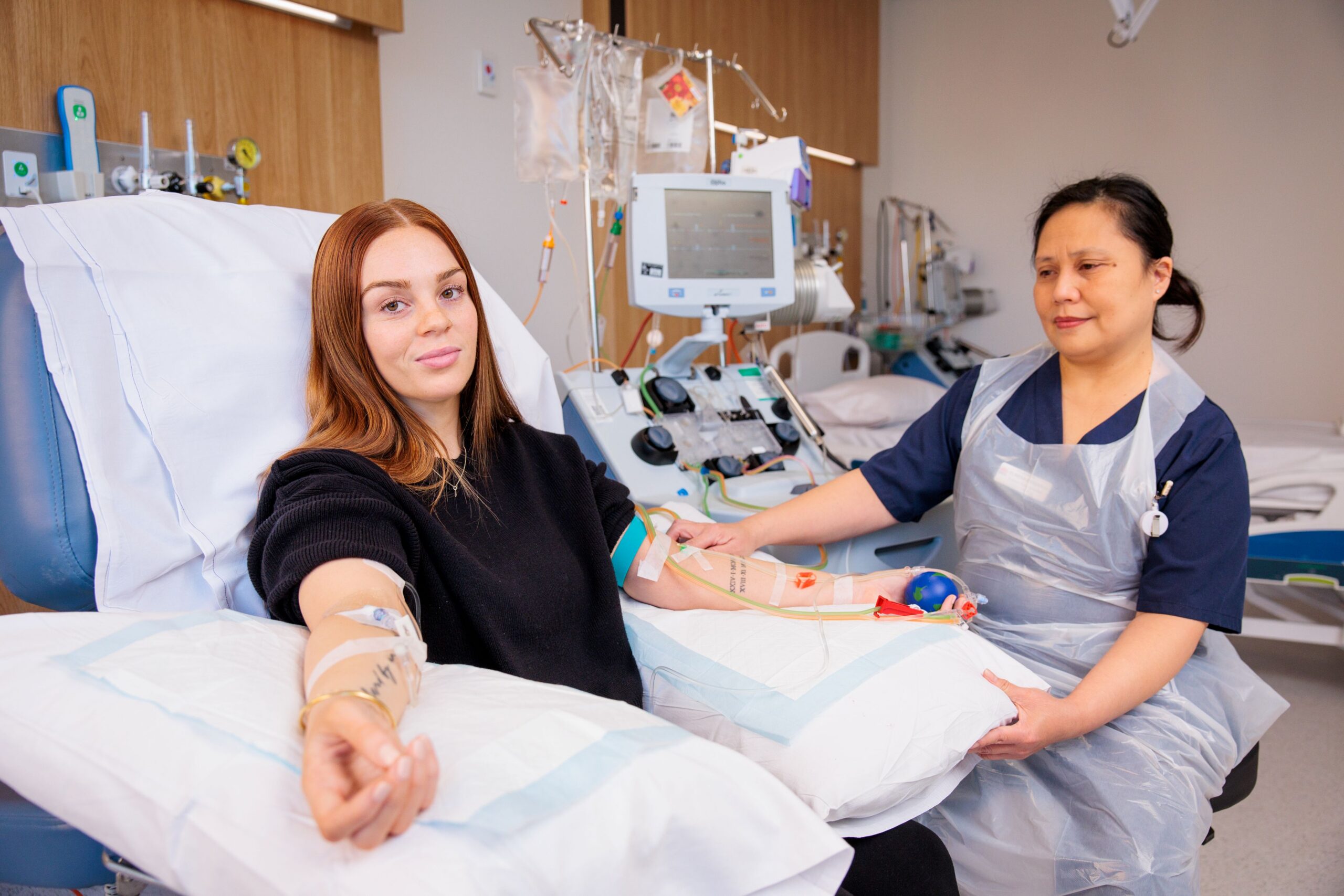
It was for a new treatment procedure, subcutaneous immunoglobulin (SCIg), which can be self-administered at home on a weekly basis, thereby replacing the previous intravenous immunoglobulin (IVIg) method which involved going to a cancer centre every four weeks.
“In recent years there’s been subcutaneous immunoglobulin replacement therapy, given every week rather than every month, and the patient can be trained to give it to themselves at home,” explained Prof. Trotman.
Andrew was among the first of a group of around 20 patients at Concord Repatriation General Hospital who, when asked if they would like to self-inject at home, agreed. After a couple of training sessions, he made the change to SCIg back in June.
That means Andrew, who has Waldenström’s macroglobulanaemia (WM) and lives at Coasters Retreat, which has no road or land access, saves hours of travel time and this results in superior social distancing.
“For me, it saves three hours for each treatment. Return travel time for me from Coasters Retreat to Concord involves 2½ hours in my car and ½ hour in my boat,” said Andrew.
“Concord Cancer Centre gave me practical training in SCIg in three weekly sessions at the centre. This has now been streamlined to two training sessions at the centre, with the third session being held virtually at home.
“This results in superior social distancing during the COVID-19 pandemic but also saves the travel time to and from the clinic typically every four weeks,” he said.
“I self-inject at home, which saves travelling for three hours and going into a risky hospital environment. It’s been a winner,” said Andrew.
According to data from the WhiMSICAL Registry survey, 14% of WM patients receive IVIG treatment.
Prof. Trotman said the subcutaneous immunoglobulin program had been very successful for patients with reduced antibody production who need immunoglobulin replacement therapy.
“Dozens of our patients at Concord now can self-administer or their carer can administer the immunoglobulin to them at home.
“The patients don’t have to come into hospital, which is convenient and particularly relevant to patients who live far away, and for patients when they don’t want to be coming into ambulatory care settings,” said Prof. Trotman.